AI-Powered CRM Software is at the forefront of modern business operations, leveraging artificial intelligence to transform customer relationship management. From enhancing customer insights to streamlining processes, this technology is reshaping the way businesses interact with their clientele.
Introduction to AI-Powered CRM Software
AI-Powered CRM software refers to Customer Relationship Management tools that utilize Artificial Intelligence technologies to enhance and automate various aspects of customer interactions and data management. In modern business operations, AI-Powered CRM software plays a crucial role in streamlining processes, improving customer satisfaction, and boosting overall business performance.




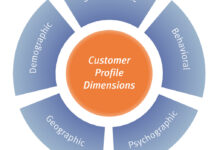

Significance of AI in Customer Relationship Management
AI integration in CRM software enables businesses to analyze customer data more effectively, predict customer behavior, personalize interactions, and automate routine tasks. By leveraging AI algorithms, companies can gain valuable insights into customer preferences, identify trends, and offer tailored solutions, leading to enhanced customer engagement and loyalty.
- AI-Powered CRM software can analyze vast amounts of customer data in real-time, allowing businesses to make data-driven decisions and improve marketing strategies.
- AI algorithms can automate lead scoring, prioritize customer inquiries, and provide personalized product recommendations, resulting in a more efficient and personalized customer experience.
- Industries such as e-commerce, banking, telecommunications, and healthcare have seen significant benefits from AI-Powered CRM software in terms of increased sales, improved customer retention, and better customer satisfaction levels.
Features of AI-Powered CRM Software
AI-Powered CRM software offers a range of advanced features that set it apart from traditional CRM systems. These features leverage artificial intelligence technologies to enhance customer relationship management processes.
Integration of AI Capabilities
AI-Powered CRM software integrates machine learning and natural language processing to analyze vast amounts of customer data. Machine learning algorithms enable the system to identify patterns and trends, providing valuable insights for personalized customer interactions. Natural language processing allows the software to understand and respond to customer queries, improving overall communication and engagement.
Role of Automation
Automation plays a crucial role in enhancing CRM tasks through AI. AI-Powered CRM software automates routine processes such as data entry, lead scoring, and workflow management. This automation not only saves time but also ensures accuracy and consistency in handling customer information. By automating repetitive tasks, AI allows sales and marketing teams to focus on more strategic activities, ultimately improving productivity and efficiency.
Benefits of Using AI-Powered CRM Software
AI-Powered CRM software offers a myriad of benefits for businesses looking to enhance their customer relationship management practices. From improving customer insights to automating routine tasks, AI plays a crucial role in revolutionizing CRM activities.
Enhanced Customer Insights and Personalization
AI-Powered CRM software leverages advanced algorithms to analyze customer data and provide valuable insights. By understanding customer behavior patterns and preferences, businesses can tailor their marketing strategies and offerings to individual customers, leading to improved personalization and higher customer satisfaction.
Positive Impact on Sales and Customer Retention
Case studies have shown that AI-Powered CRM software can significantly boost sales by identifying potential leads, predicting customer behavior, and optimizing sales processes. Additionally, AI helps in enhancing customer engagement and loyalty, ultimately leading to improved customer retention rates.
Improved Data Security and Privacy
AI technology enhances data security in CRM systems by detecting and preventing potential security threats in real-time. With features like data encryption and access controls, businesses can ensure the confidentiality and integrity of customer data, thereby building trust with their customers.
Streamlined CRM Processes through Automation
AI automates routine tasks such as data entry, lead scoring, and email communications, allowing sales and marketing teams to focus on more strategic activities. By streamlining CRM processes, businesses can increase efficiency, reduce manual errors, and deliver a seamless customer experience.
Cost-Effectiveness Compared to Traditional CRM Systems
When compared to traditional CRM systems, AI-Powered CRM software offers a more cost-effective solution in the long run. While the initial investment may be higher, the efficiency gains, improved productivity, and higher ROI make AI-Powered CRM software a worthwhile investment for businesses of all sizes.
Implementation of AI-Powered CRM Software
Implementing AI-Powered CRM software within an organization involves several key steps to ensure a smooth integration and maximize the benefits of the technology.
Steps for Implementing AI-Powered CRM Software
- Assess Current CRM System: Evaluate the existing CRM system to identify areas where AI can add value and improve efficiency.
- Set Clear Objectives: Define clear objectives and goals for implementing AI in CRM processes to ensure alignment with business outcomes.
- Select the Right AI-Powered CRM Solution: Choose a software solution that meets the specific needs of the organization and integrates seamlessly with existing systems.
- Data Preparation: Ensure data quality and consistency by cleaning and organizing data to enable AI algorithms to generate accurate insights.
- Training and Testing: Train employees on using the new AI-powered features and conduct thorough testing to identify and resolve any issues before full deployment.
- Deployment and Integration: Roll out the AI-powered CRM software gradually, ensuring smooth integration with existing workflows and processes.
- Monitor and Optimize: Continuously monitor the performance of the AI-powered CRM system and make necessary adjustments to optimize its effectiveness.
Challenges in Integrating AI into CRM Processes
- Data Quality and Integration Issues: Ensuring data accuracy and consistency across systems can be a challenge when integrating AI into CRM processes.
- Resistance to Change: Employees may resist adopting AI-powered tools due to fear of job displacement or lack of understanding of the technology.
- Cost and Resource Constraints: Implementing AI-powered CRM software can be costly and require additional resources for training and maintenance.
- Privacy and Security Concerns: Managing sensitive customer data and ensuring data security and privacy compliance can pose challenges during integration.
Best Practices for Successful AI-Powered CRM Implementation
- Secure Executive Buy-In: Gain support from top management to drive adoption and ensure alignment with business objectives.
- Provide Comprehensive Training: Offer training programs to employees to familiarize them with AI-powered features and encourage adoption.
- Start Small and Scale Up: Begin with pilot projects or specific use cases to demonstrate the value of AI in CRM processes before scaling up across the organization.
- Collaborate Across Teams: Foster collaboration between IT, marketing, sales, and customer service teams to ensure a holistic approach to AI implementation.
- Regularly Evaluate Performance: Continuously monitor the performance of AI-powered CRM systems and gather feedback from users to make improvements and adjustments as needed.
Customization and Scalability in AI-Powered CRM
Customization and scalability are crucial aspects of AI-Powered CRM software that can greatly impact a company’s ability to meet the unique needs of their customers and adapt to changing business requirements.
Importance of Customizable Features
Customizable features in AI-Powered CRM software allow businesses to tailor the system to align with their specific processes, workflows, and customer interactions. By customizing the software, companies can ensure that it meets their exact needs, enhancing efficiency and productivity. For example, businesses can customize dashboards, reports, and notifications to display the most relevant information for their teams, leading to better decision-making and improved customer service.
Role of Scalability in Adapting CRM Solutions
Scalability in AI-Powered CRM software enables businesses to easily expand the system as their operations grow. This means that companies can seamlessly add new users, features, or integrations to the CRM platform without disrupting existing processes. As businesses evolve and scale, having a CRM system that can grow with them is essential to maintaining a high level of service and customer satisfaction.
Contribution to Better Customer Experiences
Customization and scalability in AI-Powered CRM software directly contribute to better customer experiences by allowing businesses to personalize interactions and adapt to changing customer needs. For instance, by customizing automated responses and customer segmentation, companies can deliver more targeted and relevant communications to their customers. Additionally, the scalability of the system ensures that businesses can continue to provide excellent service as they expand, without compromising on quality or efficiency.
Data Security and Privacy in AI-Powered CRM
Data security and privacy are paramount when it comes to utilizing AI-Powered CRM software. Companies must address concerns and take necessary measures to ensure the protection of customer data and compliance with regulations.
Measures for Data Protection
- Encryption methods: Customer data within the CRM system is secured using advanced encryption techniques to prevent unauthorized access.
- Access control mechanisms: Strict access controls are in place to restrict unauthorized personnel from viewing or manipulating sensitive customer information.
- Anonymization techniques: These methods help protect customer privacy while still allowing for meaningful data analysis by masking individual identities.
- Regular security audits: Conducting frequent security assessments helps identify and address vulnerabilities in the AI-Powered CRM system proactively.
Ethical Considerations
- AI algorithms handling sensitive data: Ethical considerations are crucial when AI algorithms are processing and analyzing sensitive customer information to ensure fair and responsible use.
- Transparency and user control: Obtaining customer consent for data collection and usage within the CRM platform is essential, emphasizing transparency and giving users control over their data.
Integration with Other Business Systems
When it comes to AI-Powered CRM software, integration with other business systems plays a crucial role in streamlining operations and maximizing efficiency.
Seamless Integration Benefits
- Seamless integration allows for real-time data synchronization between AI-Powered CRM software and other systems, ensuring consistency and accuracy across platforms.
- Integration with tools like marketing automation platforms, email marketing software, and accounting systems can enhance customer engagement and improve lead generation processes.
- By integrating with customer support systems, AI-Powered CRM software can provide a 360-degree view of customer interactions, enabling personalized and targeted communication.
Popular Integration Examples
- Integration with popular email marketing platforms like MailChimp or Constant Contact enables automated email campaigns based on CRM data, improving customer engagement.
- Integrating AI-Powered CRM software with e-commerce platforms such as Shopify or WooCommerce allows for better tracking of customer purchases and preferences.
- Integration with social media management tools like Hootsuite or Buffer enables seamless monitoring of customer interactions on social platforms, providing valuable insights for targeted marketing strategies.
User Experience Design in AI-Powered CRM
User experience design plays a crucial role in the success of AI-Powered CRM software. It focuses on creating interfaces and workflows that are intuitive, user-friendly, and efficient to enhance user adoption and productivity.
Importance of User Experience Design
User experience design is essential as it directly impacts how users interact with the CRM system. A well-designed interface can simplify complex processes, reduce training time, and increase user satisfaction.
- Intuitive Interfaces and Workflows: Designing intuitive interfaces and workflows ensures that users can easily navigate the CRM system, leading to faster task completion and improved efficiency.
- Impact on User Adoption and Productivity: A user-friendly design encourages users to embrace the CRM software, leading to higher adoption rates and increased productivity within the organization.
Strategies for Designing User-Friendly Solutions
To create user-friendly AI-Powered CRM solutions, consider factors such as simplicity, consistency, feedback mechanisms, and personalization. These strategies can help streamline user interactions and optimize the overall user experience.
- Simple and Consistent Design: Keep the interface simple and consistent to minimize cognitive load and ensure a seamless user experience across different functionalities.
- Feedback Mechanisms: Incorporate feedback mechanisms to gather user input and continuously improve the CRM system based on user suggestions and preferences.
- Personalization: Implement personalization features to tailor the CRM experience to individual user needs, preferences, and roles.
Role of User Feedback and Personalization
User feedback is invaluable for enhancing the user experience of AI-Powered CRM systems. By collecting and analyzing user feedback, organizations can identify areas for improvement and make informed design decisions to optimize user interactions.
- Personalization in User Interaction: Personalization features such as customized dashboards, recommendations, and user-specific settings enhance user engagement and satisfaction with the CRM system.
- Successful AI-Powered CRM Interfaces: Examples of successful interfaces include visually appealing dashboards, interactive data visualization tools, and predictive analytics features that provide valuable insights to users.
Training and Support for AI-Powered CRM Users
Training programs play a crucial role in ensuring that users can effectively harness the power of AI-Powered CRM software. These programs are designed to familiarize users with the features and functionalities of the software, enabling them to maximize its benefits in their day-to-day operations.
Key Elements of Training Sessions
- Hands-on Practice with Real-Life Scenarios: Providing users with hands-on practice opportunities using real-life scenarios helps them understand how to apply AI capabilities in practical situations.
- Interactive Modules: Interactive training modules engage users and facilitate better retention of information, ensuring that they grasp the concepts effectively.
Ongoing Support for Maximizing Benefits
- Dedicated Help Desk: Establishing a dedicated help desk for AI-related queries can provide users with immediate assistance and guidance when facing challenges.
- Regular Refresher Sessions: Organizing regular refresher sessions for advanced features helps users stay updated on the latest functionalities and best practices, ensuring continued optimization of the AI-Powered CRM software.
Comprehensive Training Manual
A comprehensive training manual should cover all aspects of the AI-Powered CRM software, including troubleshooting common issues and providing guidelines for data input. This manual serves as a go-to resource for users, offering detailed instructions and tips for leveraging the software effectively.
Certification Program for Advanced Training
Implementing a certification program for users who complete advanced AI training modules can recognize their proficiency and dedication. This program not only validates their skills but also encourages continuous learning and engagement, fostering a culture of expertise within the organization.
AI-Powered CRM in Sales and Marketing
AI-Powered CRM plays a crucial role in enhancing sales and marketing strategies by leveraging artificial intelligence to streamline processes and improve outcomes. The integration of AI analytics within CRM systems revolutionizes lead generation and customer segmentation, allowing businesses to target their audience more effectively and drive sales growth.
Enhanced Lead Generation
- AI algorithms can analyze customer data to identify patterns and preferences, enabling sales teams to prioritize leads with the highest potential for conversion.
- Automated lead scoring helps sales representatives focus their efforts on prospects that are most likely to make a purchase, increasing efficiency and closing rates.
- AI-powered predictive analytics can forecast customer behavior, allowing businesses to anticipate needs and personalize outreach for better engagement.
Improved Customer Segmentation
- AI tools within CRM software can segment customers based on demographics, behavior, and interactions, enabling targeted marketing campaigns tailored to specific audience segments.
- Machine learning algorithms continuously learn from customer interactions to refine segmentation criteria and improve the accuracy of marketing efforts over time.
- Dynamic segmentation allows businesses to adapt to changing customer preferences and market trends quickly, ensuring campaigns remain relevant and impactful.
Examples of AI Tools in CRM
-
Chatbots
powered by AI provide real-time customer support, qualify leads, and gather valuable insights for sales and marketing teams.
-
Recommendation engines
use AI algorithms to suggest personalized products or services to customers based on their purchase history and preferences.
-
Sales forecasting tools
utilize AI analytics to predict future sales trends and optimize inventory management and resource allocation.
Industry Trends and Future Developments in AI-Powered CRM
AI technology is rapidly shaping the CRM landscape, with several trends emerging that are influencing the future of AI-Powered CRM software. As businesses continue to prioritize customer-centric approaches, the integration of AI in CRM systems is becoming increasingly prevalent. Let’s explore some of the key trends and future developments in this space.
Current Trends in AI-Powered CRM
- Increased personalization: AI algorithms are being used to analyze customer data and behavior, enabling businesses to deliver more personalized interactions and offerings.
- Predictive analytics: AI-powered CRM solutions can forecast customer behavior and trends, helping organizations make informed decisions and optimize their strategies.
- Automation of routine tasks: AI is automating repetitive tasks such as data entry, lead scoring, and customer communication, allowing employees to focus on higher-value activities.
Potential Advancements in AI Technology for CRM
- Enhanced natural language processing: AI advancements in language understanding and sentiment analysis could improve customer interactions and feedback analysis.
- Integration of IoT data: AI-powered CRM systems may leverage data from connected devices to provide deeper insights into customer preferences and behaviors.
- Augmented reality interfaces: Future AI developments could enable immersive customer experiences through AR technologies integrated into CRM platforms.
Evolution of AI-Powered CRM Solutions
- Integration of AI with blockchain technology for enhanced data security and transparency in CRM processes.
- AI-driven hyper-personalization techniques to create tailored customer journeys and experiences.
- Expansion of AI capabilities to include emotional intelligence and empathy for more human-like interactions.
Case Studies of Successful AI Integration in CRM Systems
- Amazon’s AI-powered recommendation engine, which analyzes customer behavior to suggest personalized products, resulting in increased sales and customer satisfaction.
- Salesforce’s Einstein AI platform, offering predictive analytics and intelligent insights to help businesses drive growth and improve customer relationships.
- Zoho CRM’s AI assistant, Zia, which provides data-driven suggestions and automates tasks to streamline sales processes and decision-making.
Comparison of Different AI Models in CRM Applications
- Machine learning models for predictive analytics.
- Natural language processing for sentiment analysis and chatbot interactions.
- Deep learning algorithms for image and voice recognition in customer interactions.
Roadmap for Implementing AI in CRM Strategies
- Assess current CRM processes and identify areas where AI can add value.
- Invest in AI talent and technology infrastructure for successful implementation.
- Start with pilot projects to test AI capabilities and refine strategies before full-scale deployment.
Ethical Implications of AI Adoption in CRM Practices
- Ensuring transparency and accountability in AI algorithms to prevent bias or discrimination in customer interactions.
- Respecting customer privacy and data protection laws when using AI to analyze personal information.
- Providing clear communication about AI usage and its impact on customer experiences to build trust and loyalty.
Role of AI in Personalizing Customer Experiences within CRM Platforms
- AI enables real-time customization of offers and content based on individual preferences and behavior.
- Automated customer segmentation to target specific audiences with tailored messages and promotions.
- Dynamic pricing strategies driven by AI algorithms to optimize revenue and customer satisfaction.
Case Studies on Successful Implementation of AI-Powered CRM
AI-Powered CRM software has revolutionized the way businesses manage customer relationships, leading to improved efficiency, productivity, and customer satisfaction. Let’s delve into some real-world case studies of companies that have successfully implemented AI-Powered CRM solutions to reap significant benefits.
Case Study 1: Company A
- Company A, a leading e-commerce retailer, implemented AI-Powered CRM software to analyze customer data and personalize marketing campaigns.
- The use of AI algorithms helped Company A increase customer engagement by 30% and boost sales conversion rates by 20% within the first six months of implementation.
- The automated recommendations provided by the AI system led to a 25% increase in average order value and a 15% decrease in customer churn rate.
Case Study 2: Company B
- Company B, a global telecommunications provider, integrated AI-Powered CRM software to streamline customer service processes and enhance customer interactions.
- By leveraging AI for customer inquiries and issue resolution, Company B achieved a 40% reduction in response time and a 25% increase in first-call issue resolution rates.
- The predictive analytics capabilities of the AI system enabled Company B to identify customer preferences and anticipate service needs, resulting in a 20% improvement in customer satisfaction scores.
Key Takeaways
- Personalization and targeted marketing strategies driven by AI algorithms can significantly enhance customer engagement and increase sales conversions.
- Automation of repetitive tasks and data analysis through AI-Powered CRM software can lead to operational efficiencies and improved productivity.
- Predictive analytics and machine learning capabilities can empower businesses to anticipate customer needs, deliver proactive service, and enhance overall customer satisfaction.
Comparison with Traditional CRM Systems
AI-Powered CRM software has revolutionized the way businesses manage customer relationships compared to traditional CRM systems. While traditional CRM systems rely on manual data entry and analysis, AI-Powered CRM leverages artificial intelligence and machine learning algorithms to automate and optimize various processes.
Advantages and Limitations of AI Integration in CRM
- Advantages:
- AI-Powered CRM can process and analyze vast amounts of data in real-time, providing valuable insights for decision-making.
- AI enhances customer segmentation by identifying patterns and trends, allowing for personalized marketing strategies.
- Machine learning algorithms in AI-Powered CRM improve sales forecasting accuracy and predict customer behavior.
- Limitations:
- AI integration may require significant initial investment and expertise to implement effectively.
- There can be challenges in ensuring the accuracy and reliability of AI-generated insights.
- AI-Powered CRM systems may face data privacy concerns and ethical implications in handling customer information.
Scenarios where AI-Powered CRM Outperforms Traditional Systems
AI-Powered CRM excels in scenarios requiring real-time data analysis, personalized customer interactions, and predictive analytics. For instance, AI can automatically categorize leads based on behavior patterns, optimize marketing campaigns, and provide personalized product recommendations, giving businesses a competitive edge in customer engagement.
Enhancing Customer Segmentation and Personalized Marketing
- AI in CRM enables dynamic customer segmentation based on behavior, preferences, and interactions, leading to targeted and personalized marketing campaigns.
- Personalized marketing strategies improve customer engagement, conversion rates, and overall customer satisfaction.
Role of Machine Learning Algorithms in Predicting Customer Behavior
- Machine learning algorithms analyze historical customer data to predict future behavior, such as purchase patterns, churn likelihood, and preferred communication channels.
- This predictive capability allows businesses to tailor their marketing efforts, sales strategies, and customer service interactions to meet individual customer needs effectively.
Case Study: Tangible Benefits of AI in CRM
In a case study conducted by a leading e-commerce company, implementing AI-Powered CRM resulted in a 20% increase in customer retention rates, a 15% boost in sales conversion, and a 30% reduction in customer service response time. The company attributed these improvements to AI-driven insights, personalized recommendations, and proactive customer engagement strategies.
Regulatory Compliance and AI-Powered CRM
In the realm of AI-Powered CRM software, businesses must navigate a complex landscape of regulatory requirements to ensure compliance and protect user data. Let’s delve into the key considerations that companies need to address when implementing AI-driven CRM solutions.
Data Protection Laws and AI Algorithms
- Compliance with data protection laws, such as GDPR or CCPA, significantly impacts the design and use of AI algorithms in CRM systems.
- Businesses must ensure that AI processes adhere to data privacy regulations to safeguard customer information and build trust.
Transparency and Accountability in AI-Driven CRM
- Maintaining transparency in AI-driven CRM processes is crucial for ensuring accountability and ethical use of customer data.
- Businesses should implement mechanisms to explain AI decisions to users and regulators, fostering trust and understanding.
Explainable AI for Regulatory Compliance
- Explainable AI plays a vital role in ensuring regulatory compliance within CRM systems by providing insights into how algorithms make decisions.
- Businesses can use explainable AI to demonstrate compliance with regulations and address concerns about algorithmic bias or discrimination.
Auditing AI Algorithms for Compliance
- Companies can take proactive steps to audit and monitor AI algorithms to ensure they meet regulatory requirements and ethical standards.
- Regular audits help identify potential risks of non-compliance and enable businesses to address issues promptly.
Regional and Industry Variances in Regulatory Frameworks
- Regulatory frameworks governing AI use in CRM vary across regions and industries, requiring businesses to adapt their compliance strategies accordingly.
- Understanding the nuances of regulatory requirements in different contexts is essential for successful AI-powered CRM implementations.
Risks of Non-Compliance with Data Protection Laws
- Non-compliance with data protection laws in AI-powered CRM implementations can lead to severe consequences, including hefty fines and reputational damage.
- Businesses must prioritize regulatory compliance to mitigate risks and uphold the trust of customers and stakeholders.
Summary
In conclusion, AI-Powered CRM Software offers a myriad of benefits for businesses seeking to optimize their customer relationship management strategies. With its potential for customization, scalability, and enhanced user experience, this innovative technology is set to revolutionize the industry.
