Best Enterprise CRM Solutions revolutionize the way large organizations manage customer relationships and enhance operational efficiency. Dive into the world of cutting-edge CRM software tailored for enterprise needs.
Overview of Enterprise CRM Solutions
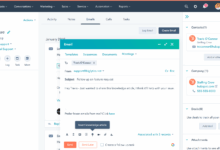
Enterprise CRM solutions are specialized software systems designed to meet the unique needs of large organizations in managing customer relationships. These solutions provide a comprehensive set of tools and features to help businesses streamline their sales, marketing, and customer service processes.
Key Features of Enterprise CRM Solutions
- Scalability: Enterprise CRM solutions are built to handle large volumes of data and users, making them ideal for organizations with expansive customer bases.
- Customization: These solutions offer extensive customization options to tailor the software to the specific requirements of the business.
- Integration Capabilities: Enterprise CRM solutions can seamlessly integrate with other enterprise systems, such as ERP software, to provide a unified view of customer data.
- Advanced Analytics: These solutions include robust analytics tools to help organizations gain valuable insights into customer behavior and trends.
- Security: Enterprise CRM solutions prioritize data security and compliance with industry regulations to protect sensitive customer information.
Differences from Other CRM Systems
Enterprise CRM solutions differ from regular CRM software in their ability to handle a larger volume of data, support a higher number of users, and provide advanced customization and integration options. While traditional CRM systems are suitable for small to medium-sized businesses, enterprise CRM solutions are tailored to meet the complex needs of large organizations with diverse customer bases and extensive operations.
Benefits of Implementing Enterprise CRM Solutions
Implementing Enterprise CRM solutions offers numerous benefits for businesses looking to streamline their customer management processes and enhance overall efficiency. By utilizing these advanced tools, companies can effectively improve customer relationships, boost retention rates, and drive sales and marketing efforts to new heights.
Enhanced Customer Relationships and Retention
- Enterprise CRM solutions allow businesses to centralize customer data, providing a comprehensive view of each customer’s interactions and history with the company.
- By analyzing customer behavior patterns and preferences, companies can personalize their communications and tailor their offerings to meet individual needs, leading to increased customer satisfaction and loyalty.
- Automated reminders and notifications help businesses stay engaged with customers, ensuring timely follow-ups and proactive customer service.
Impact on Sales and Marketing Efforts
- Enterprise CRM solutions enable sales teams to track leads, manage pipelines, and forecast sales opportunities more accurately, resulting in improved conversion rates and revenue growth.
- Marketing teams can segment customer data, create targeted campaigns, and measure campaign performance in real-time, optimizing marketing strategies for higher ROI.
- Integration with email marketing and social media platforms allows businesses to engage with customers across multiple channels, enhancing brand visibility and customer engagement.
Successful Implementation in Real-world Business Scenarios
- Companies like Salesforce, Microsoft Dynamics 365, and Oracle CRM have successfully implemented Enterprise CRM solutions to revolutionize their customer management processes and drive business growth.
- Case studies from industries such as retail, finance, and healthcare demonstrate tangible results in terms of increased sales, improved customer satisfaction, and enhanced operational efficiency.
- By leveraging advanced analytics and AI capabilities, businesses have been able to gain valuable insights into customer behavior and market trends, allowing for strategic decision-making and competitive advantage.
Comparison of Enterprise CRM Software Options
- Each Enterprise CRM software option in the market offers unique features and benefits, catering to different business needs and requirements.
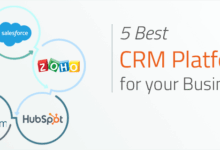
- Salesforce is known for its comprehensive cloud-based CRM platform, while Microsoft Dynamics 365 offers seamless integration with other Microsoft products and advanced reporting capabilities.
- Oracle CRM provides robust customer service tools and scalability for large enterprises, making it a popular choice for companies with complex customer management needs.
Integration with Existing Business Systems
- Integrating an Enterprise CRM solution with existing business systems involves assessing current processes, mapping data flows, and setting up data synchronization protocols.
- Collaboration between IT teams, CRM vendors, and key stakeholders is essential to ensure a smooth transition and minimize disruptions to daily operations.
- Training employees on the new CRM system and providing ongoing support is crucial for successful integration and adoption across the organization.
Cost-effectiveness of Implementing Enterprise CRM Solutions
- While the initial investment in Enterprise CRM solutions may seem significant, the long-term benefits in terms of increased efficiency, revenue growth, and customer satisfaction far outweigh the costs.
- By streamlining processes, reducing manual tasks, and improving customer interactions, businesses can achieve a higher return on investment and lower overall operational costs.
- Cloud-based CRM solutions offer scalability and flexibility, allowing businesses to adjust their subscription plans based on changing needs and budget constraints, making them a cost-effective option for companies of all sizes.
Key Features to Look for in Enterprise CRM Solutions
When selecting an Enterprise CRM solution for your business, it is crucial to consider the key features that will best meet your organization’s needs. These features can vary depending on the size of your business, industry requirements, and specific goals. Below are some essential features to look for when evaluating Enterprise CRM solutions:
Data Management and Reporting Capabilities
- Effective data management tools to centralize customer information
- Advanced reporting and analytics for tracking customer interactions and performance
- Customizable dashboards for real-time insights and decision-making
Integration Capabilities
- Seamless integration with other software systems such as marketing automation, ERP, and helpdesk solutions
- API accessibility for easy data sharing and communication between platforms
- Ability to sync customer data across different departments for a unified view
Scalability and Customization Options
- Flexible scalability to accommodate business growth and changing needs
- Customization options to tailor the CRM solution to your specific workflows and processes
- Modular design for adding or removing features based on requirements
User Interface and Experience
- Intuitive user interface for easy adoption and minimal training requirements
- Mobile accessibility for on-the-go access to customer data and interactions
- Personalization options for users to customize their interface and preferences
Comparison Table of Top Enterprise CRM Solutions
| CRM Solution | Data Management | Integration | Scalability | User Experience |
|---|---|---|---|---|
| CRM A | ✔️ Advanced | ✔️ Seamless | ✔️ Flexible | ✔️ Intuitive |
| CRM B | ✔️ Effective | ✔️ API Accessible | ✔️ Customizable | ✔️ Mobile-friendly |
| CRM C | ✔️ Robust | ✔️ Sync Across Departments | ✔️ Modular | ✔️ Personalized |
Case Studies of Successful Implementation
In this section, we will delve into real-world examples of companies that have successfully implemented Enterprise CRM solutions. We will analyze the outcomes and benefits these companies experienced post-implementation, highlight any challenges faced during the process, and provide insights on the CRM software used, employee training, and change management strategies.
Company A
- Company A, a global tech firm, implemented an Enterprise CRM solution to streamline customer interactions and improve data management.
- Post-implementation, Company A saw a significant increase in customer satisfaction and retention rates, leading to a boost in overall business performance.
- Challenges faced included resistance from employees to adopt the new system and data migration issues.
- Key milestones in the implementation timeline included system customization, data transfer, and employee training sessions.
- The CRM software used by Company A offered robust analytics and reporting capabilities, contributing to the success of the implementation.
- Employee training programs and change management strategies played a crucial role in ensuring a smooth transition to the new CRM system.
- The impact of the CRM solution on customer satisfaction was evident through improved feedback and increased customer engagement.
Company B
- Company B, a leading retail chain, adopted an Enterprise CRM solution to enhance customer service and personalize marketing efforts.
- Following the implementation, Company B experienced a notable rise in customer loyalty and overall revenue.
- During the implementation process, Company B encountered data integration challenges and required additional training for staff.
- Key milestones included data cleansing, integration with existing systems, and creating personalized customer profiles.
- The CRM software used by Company B offered advanced segmentation and automation features, contributing to the successful outcomes.
- Employee training programs focused on utilizing customer data effectively and leveraging CRM tools for targeted marketing campaigns.
- The CRM solution positively impacted customer retention rates and led to improved business performance metrics.
Integration Capabilities with Other Business Systems
Seamless integration between Enterprise CRM solutions and other business systems is crucial for maximizing efficiency and productivity.
Popular Integrations with CRM Systems
- Integration with Email Marketing Platforms: This allows for streamlined communication with customers and targeted marketing campaigns.
- Integration with E-commerce Platforms: Syncing CRM with e-commerce systems enables better customer tracking and personalized shopping experiences.
- Integration with Help Desk Software: Connecting CRM with help desk solutions ensures a seamless customer support process.
Impact of Integration on Business Efficiency
Effective integration capabilities can lead to improved data accuracy, faster decision-making, and enhanced customer satisfaction, ultimately boosting overall business performance.
Challenges in Integrating CRM Systems
- Data Synchronization: Ensuring data consistency across different platforms can be a major challenge.
- User Adoption: Getting employees to use integrated systems effectively may require training and change management.
- Compatibility Issues: Different systems may have conflicting formats or protocols, creating obstacles to seamless integration.
Setting Up Integration with Accounting Systems
Integrating CRM software with accounting systems involves mapping data fields, establishing data transfer protocols, and ensuring real-time synchronization for accurate financial reporting.
Benefits of Integrating CRM with Marketing Automation vs. Inventory Management
Integrating CRM with marketing automation platforms enhances lead generation and customer engagement, while integrating with inventory management systems streamlines order processing and inventory control for a seamless sales process.
Scalability and Flexibility of Enterprise CRM Solutions
Enterprise CRM solutions are designed to be scalable, allowing businesses to expand their customer base and data storage as the company grows. This scalability ensures that the CRM system can accommodate the increasing demands of a growing business without the need for a complete system overhaul.
Scalability of Enterprise CRM Solutions
One key advantage of Enterprise CRM solutions is their ability to scale seamlessly to meet the needs of a growing business. As the company acquires more customers, the CRM system can easily handle the additional data and interactions without compromising performance.
- Enterprise CRM solutions offer flexible storage options, allowing businesses to increase their data capacity as needed.
- Scalable CRM systems can accommodate more users and provide access to a larger team without sacrificing efficiency.
- Advanced features like automation and analytics can also scale with the business, providing valuable insights and streamlining processes as the company grows.
Flexibility in Adapting Enterprise CRM Solutions
Flexibility is crucial in adapting Enterprise CRM solutions to changing business needs. Businesses evolve over time, and their CRM system must be able to adjust to these changes to remain effective.
- Customizable CRM solutions allow businesses to tailor the system to their specific requirements, ensuring that it remains relevant as the company evolves.
- Integration capabilities with other business systems enable seamless data sharing and collaboration across departments, enhancing flexibility and efficiency.
- Cloud-based CRM solutions offer enhanced flexibility, allowing employees to access the system from anywhere, at any time, facilitating remote work and increasing productivity.
Examples of Leveraging Scalability and Flexibility
Many businesses have successfully leveraged the scalability and flexibility of their CRM systems to drive growth and improve customer relationships.
- A global e-commerce company expanded its customer base by utilizing the scalability of its CRM system to handle a significant increase in online orders without experiencing downtime.
- A software development firm adapted its CRM solution to integrate with project management tools, enhancing flexibility and streamlining communication between development teams and clients.
- A telecommunications company optimized its CRM system to scale with the launch of new products and services, enabling seamless customer support and personalized marketing campaigns.
Security and Compliance Considerations
When it comes to choosing an Enterprise CRM solution, security and compliance considerations are paramount. Businesses must ensure that sensitive customer data is protected and that they adhere to relevant regulations to avoid penalties and maintain trust with their customers.
Security Measures for Enterprise CRM Solutions
- Encryption: Enterprise CRM solutions should offer robust encryption methods to secure data both at rest and in transit.
- Access Control: Implementing role-based access control ensures that only authorized personnel can view or modify sensitive information.
- Data Backup and Recovery: Regular data backups and a solid recovery plan are essential to prevent data loss in case of security breaches.
- Audit Trails: Maintaining detailed audit trails helps businesses track who accessed specific data and when, aiding in compliance efforts.
Compliance Requirements for Enterprise CRM Solutions
- GDPR Compliance: Businesses operating in the EU must ensure that their CRM solution complies with the General Data Protection Regulation (GDPR) to protect customer data.
- HIPAA Compliance: For healthcare organizations, adhering to the Health Insurance Portability and Accountability Act (HIPAA) is crucial to safeguard patient information.
- PCI DSS Compliance: Companies handling payment card information need to meet the Payment Card Industry Data Security Standard (PCI DSS) to prevent fraud and data breaches.
Impact of Data Privacy Regulations on Enterprise CRM Solutions
In today’s data-driven world, businesses must navigate a complex landscape of data privacy regulations. Implementing an Enterprise CRM solution that aligns with these regulations not only ensures legal compliance but also fosters customer trust and loyalty. By prioritizing data security and compliance, organizations can mitigate risks and build a strong foundation for sustainable growth.
User Interface and User Experience Design
User Interface (UI) and User Experience (UX) design play a crucial role in the overall success of Enterprise CRM solutions. A user-friendly interface enhances productivity, encourages user adoption, and improves overall satisfaction with the system. It is essential to create a design that is intuitive, efficient, and visually appealing to ensure a seamless user experience.
Comparison of UI/UX Designs in Popular Enterprise CRM Solutions
When comparing UI/UX designs in popular Enterprise CRM solutions, Salesforce stands out for its clean and customizable interface, offering a high level of flexibility for users. Microsoft Dynamics CRM focuses on integration with other Microsoft tools, providing a familiar interface for users. HubSpot CRM, on the other hand, offers a simple and user-friendly design, suitable for small to medium-sized businesses.
Tips for Designing an Intuitive and Efficient UI for Enterprise CRM Systems
- Keep it simple: Avoid clutter and unnecessary elements on the interface to streamline the user experience.
- Customization options: Provide users with the ability to customize the interface to suit their preferences and workflows.
- Consistent design: Maintain a consistent design throughout the CRM system to promote familiarity and ease of use.
- Mobile responsiveness: Ensure that the UI is responsive and optimized for mobile devices to cater to users on the go.
- User feedback: Gather feedback from users to continuously improve the UI and address any pain points or usability issues.
Training and Support for Enterprise CRM Solutions
Training and support are crucial components in the successful implementation and utilization of Enterprise CRM solutions. Effective training programs ensure that users fully understand the functionality of the CRM system, while ongoing support helps address any issues that may arise during usage.
Comprehensive Training Programs
- Develop a training program that covers the basic functionalities of the CRM system, as well as advanced features for power users.
- Include interactive elements such as simulations, role-playing exercises, and hands-on practice sessions to enhance user proficiency.
- Tailor training sessions to different user roles within the organization to ensure relevance and effectiveness.
Ongoing Technical Support
- Provide a dedicated support team that can address technical issues promptly and efficiently.
- Create a knowledge base or FAQ section for users to troubleshoot common problems on their own.
- Offer regular refresher training sessions to keep users up-to-date with new features and best practices.
Feedback Collection and Improvement
- Implement a system for collecting feedback from users regarding the training programs and support services.
- Use feedback to identify areas for improvement and make necessary adjustments to enhance user experience.
- Regularly assess the effectiveness of training programs and support services through surveys or feedback forms.
Customization Options for Tailored Solutions
Customization plays a crucial role in tailoring Enterprise CRM solutions to meet the specific needs of businesses. By exploring the customization capabilities of CRM systems, organizations can optimize their processes and enhance overall efficiency.
Advantages of Customization for Tailored Solutions
- Customizing CRM systems allows businesses to align the platform with their unique workflows and requirements, ensuring a perfect fit.
- Highly customizable CRM solutions provide the flexibility to adapt to changing business dynamics and scale operations accordingly.
- By tailoring fields, workflows, and interfaces, organizations can enhance user experience and productivity within the CRM system.
Step-by-Step Guide to Customizing CRM Systems
When customizing an Enterprise CRM solution, it is essential to conduct a thorough analysis of existing business processes to identify areas for improvement. Follow these steps to customize fields, workflows, and interfaces:
- Identify the specific needs and requirements of your business.
- Access the customization settings within the CRM system.
- Create custom fields to capture unique data points relevant to your business.
- Define workflows and automation rules to streamline processes and enhance efficiency.
- Customize the user interface to reflect your brand identity and improve user experience.
Comparison: Out-of-the-Box vs. Highly Customizable CRM Solutions
- Out-of-the-box CRM solutions offer standard features and workflows, limiting flexibility for unique business requirements.
- Highly customizable CRM solutions provide the freedom to tailor every aspect of the system to meet specific needs, offering unparalleled flexibility and scalability.
- Businesses opting for highly customizable CRM solutions can adapt quickly to market changes and stay ahead of the competition.
Impact of Customization on User Adoption and System Performance
Customization can significantly impact user adoption and overall system performance. By providing a tailored CRM solution, businesses can improve user engagement and efficiency. Case studies have shown that customized CRM systems lead to higher user satisfaction and increased productivity.
Best Practices for Documenting and Maintaining Customizations
- Document all customizations made to the CRM system for future reference and troubleshooting.
- Regularly review and update customizations to ensure system stability and compatibility with future upgrades.
- Train users on any new customizations implemented to maximize the benefits of tailored solutions.
Pricing Models and Cost Considerations
When it comes to choosing an Enterprise CRM solution, understanding the pricing models and cost considerations is crucial for businesses to make informed decisions. Here, we will delve into the various pricing structures offered by CRM providers, factors to consider when evaluating costs, tips for negotiation, and a breakdown of different pricing options.
Comparison of Pricing Models
- Subscription-Based Pricing:
- Pros: Predictable monthly costs, easy budgeting, access to regular updates and support.
- Cons: Long-term expenses might outweigh one-time purchases, potential for price increases over time.
- Pay-Per-User Pricing:
- Pros: Scalable based on user needs, cost-effective for smaller teams, easy to calculate costs.
- Cons: Costs can add up quickly with large teams, might limit user adoption.
- Custom Pricing Options:
- Pros: Tailored to specific business requirements, potential for negotiation on pricing.
- Cons: Complexity in pricing structure, challenging to compare with standard pricing models.
Scalability, integration costs, and maintenance fees play a significant role in determining the total cost of ownership for an Enterprise CRM solution.
Negotiating Pricing and Maximizing Value
- Understand Your Needs: Clearly define your requirements to avoid paying for unnecessary features.
- Request Demos and Trials: Test the CRM system before committing to understand its value for your business.
- Ask About Discounts: Inquire about special offers, discounts for long-term commitments, or bundled services for cost savings.
Analyzing Pricing Proposals
- Clarify Pricing Structures: Understand all components of the pricing proposal, including setup fees, additional integrations, and ongoing support costs.
- Evaluate Hidden Fees: Look out for hidden costs like data migration fees, customization charges, or training expenses.
- Explore Discounts: Negotiate with vendors for volume discounts, promotional pricing, or loyalty incentives to optimize costs.
Mobile Accessibility and Cross-Platform Functionality
Mobile accessibility plays a crucial role in Enterprise CRM solutions as it allows users to access important customer data, track interactions, and manage tasks on-the-go. This feature is particularly beneficial for remote workers and sales representatives who need to stay connected while away from the office.
Importance of Mobile Accessibility
- Enables real-time updates and access to customer information
- Improves productivity and responsiveness
- Facilitates collaboration among team members
Challenges and Benefits of Cross-Platform Functionality
Cross-platform functionality in CRM systems can present challenges in terms of compatibility and integration issues. However, the benefits outweigh the challenges as it allows seamless access across different devices and operating systems, ensuring a consistent user experience.
- Enhanced flexibility and accessibility
- Improved user adoption and satisfaction
- Streamlined workflows and communication
Examples of Effective Utilization
Company X implemented a mobile CRM solution that increased its sales team’s productivity by 30% due to the ease of access to customer data and the ability to update records in real-time.
Company Y integrated cross-platform functionality into its CRM system, resulting in a 20% reduction in response time to customer inquiries and a significant improvement in customer satisfaction.
Reporting and Analytics Capabilities
Robust reporting and analytics capabilities are crucial components of Enterprise CRM solutions. These features enable businesses to gather, analyze, and visualize data in order to make informed decisions and drive strategic initiatives.
Significance of Data Analytics in CRM
Data analytics play a vital role in providing valuable insights for businesses utilizing CRM systems. By leveraging reporting tools, companies can track key performance indicators, monitor customer interactions, and identify trends that can help them improve their overall operations.
- Reporting tools allow businesses to generate customized reports, dashboards, and visualizations that provide a comprehensive view of their sales, marketing, and customer service efforts.
- Analytics tools enable companies to analyze customer behavior, preferences, and buying patterns, helping them tailor their strategies to meet individual customer needs.
- By utilizing data analytics, businesses can measure the effectiveness of their CRM initiatives, optimize their processes, and enhance customer satisfaction and loyalty.
Examples of Improved Decision-making
Many businesses have successfully leveraged reporting and analytics tools within their CRM systems to enhance decision-making processes. For instance, a retail company used data analytics to identify underperforming products and adjust their inventory levels accordingly, leading to increased sales and profitability. Another example is a service-based organization that utilized reporting capabilities to track customer feedback and address issues proactively, resulting in higher customer retention rates and improved brand reputation.
- Reporting and analytics tools have empowered businesses to make data-driven decisions, streamline operations, and optimize their customer engagement strategies.
- By analyzing data trends and performance metrics, organizations can identify opportunities for growth, mitigate risks, and stay ahead of the competition in today’s dynamic business landscape.
Industry-Specific Solutions and Vertical Integration
When it comes to Enterprise CRM solutions, the ability to cater to specific industries and verticals is crucial for maximizing efficiency and effectiveness. Tailoring CRM systems to meet the unique needs of different industries can lead to enhanced productivity and better customer relationships.
Healthcare CRM Solutions
- Healthcare CRM solutions are designed to manage patient relationships, streamline communication with healthcare providers, and ensure compliance with industry regulations.
- Features may include patient record management, appointment scheduling, and integration with electronic health records (EHR) systems.
- Vertical integration with telehealth platforms and medical billing software can further enhance the capabilities of healthcare CRM solutions.
Real Estate CRM Solutions
- Real Estate CRM solutions are tailored to manage property listings, track leads, and facilitate communication with clients and prospects.
- Unique features may include property search functionalities, automated email campaigns, and integration with real estate listing websites.
- Vertical integration with MLS systems and property management software can provide a comprehensive solution for real estate professionals.
Manufacturing CRM Solutions
- Manufacturing CRM solutions focus on managing customer relationships, tracking sales orders, and streamlining production processes.
- Features may include inventory management, order tracking, and integration with supply chain management systems.
- Vertical integration with ERP systems and production planning tools can optimize the efficiency of manufacturing CRM solutions.
Future Trends and Innovations in Enterprise CRM Solutions
In the rapidly evolving landscape of Enterprise CRM solutions, it is crucial to anticipate the future trends and innovations that will shape the industry. By analyzing current market dynamics and technological advancements, businesses can stay ahead of the curve and maximize the benefits of CRM systems.
Impact of Emerging Technologies
- Artificial Intelligence (AI) and Machine Learning: These technologies are revolutionizing CRM by enabling personalized customer interactions, advanced data analytics, and predictive insights.
- Blockchain: With its secure and transparent nature, blockchain can enhance trust and data integrity in CRM systems, leading to improved customer engagement and loyalty.
Leveraging Chatbots and Virtual Assistants
- Chatbots: Automated chatbots can streamline customer service, provide instant support, and gather valuable data for personalized interactions.
- Virtual Assistants: AI-powered virtual assistants can offer proactive suggestions, automate tasks, and optimize sales processes within CRM strategies.
Integration of Social Media Data and IoT Devices
- Social Media Data: Incorporating social media insights into CRM platforms can offer a holistic view of customer behavior, preferences, and sentiment for targeted marketing efforts.
- IoT Devices: Connecting IoT devices to CRM systems enables real-time data collection, personalized experiences, and predictive analytics for enhanced customer relationships.
Optimizing CRM Implementation
- Employee Training: Continuous training programs can empower employees to utilize CRM systems effectively, improving productivity and customer satisfaction.
- Data Security Measures: Implementing robust security protocols is essential to protect sensitive customer data and maintain compliance with regulations.
- Continuous System Updates: Regular updates and optimizations ensure that CRM solutions remain efficient, adaptive, and aligned with evolving business needs.
Ending Remarks
Exploring the realm of Best Enterprise CRM Solutions unveils a landscape where businesses thrive through optimized customer interactions and streamlined processes. Embrace innovation and elevate your enterprise to new heights.
