With CRM for Sales and Marketing Automation at the forefront, businesses can revolutionize their customer engagement strategies by leveraging automation tools and personalized marketing campaigns. From enhancing lead generation to improving customer retention, CRM plays a pivotal role in optimizing sales and marketing processes.
Importance of CRM in Sales and Marketing Automation
Customer Relationship Management (CRM) plays a crucial role in enhancing sales and marketing automation processes by providing a centralized platform for managing customer interactions and data effectively.

Streamlining Customer Data Management
CRM systems streamline customer data management by consolidating information from various touchpoints, such as website visits, social media interactions, and email communications. This unified view enables businesses to gain valuable insights into customer behavior and preferences, leading to more personalized marketing strategies.
Integrating CRM with Automation Tools
Integrating CRM with automation tools automates repetitive tasks, such as sending follow-up emails, updating customer records, and tracking leads through the sales funnel. This integration improves efficiency, reduces manual errors, and ensures timely follow-ups with prospects.
Role of CRM in Lead Generation and Customer Retention Strategies
CRM systems help in lead generation by capturing and analyzing prospect data, enabling sales teams to prioritize leads based on their likelihood to convert. Moreover, CRM aids in customer retention by providing insights into customer satisfaction levels, purchase history, and engagement patterns, allowing businesses to tailor retention strategies accordingly.
Personalized Marketing Campaigns Driven by CRM Data
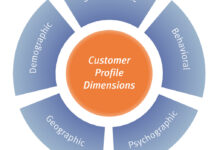
CRM data empowers businesses to create personalized marketing campaigns by segmenting customers based on their preferences, purchase history, and interactions with the brand. This targeted approach enhances customer engagement and increases the likelihood of driving conversions.
Comparison of CRM Platforms for Sales and Marketing Automation
- Salesforce: Offers robust features for sales and marketing automation, customizable dashboards, and seamless integration with third-party applications.
- HubSpot CRM: Provides a user-friendly interface, marketing automation capabilities, and lead scoring functionality for efficient sales processes.
- Zoho CRM: Known for its affordability, scalability, and comprehensive sales automation tools suitable for small to medium-sized businesses.
Setting up CRM Integration with Automation Tools
- Choose a CRM platform that aligns with your business needs and budget.
- Identify the key automation tools that complement your CRM system.
- Map out the data flow between CRM and automation tools to ensure seamless integration.
- Configure automation workflows and rules within the CRM platform to automate repetitive tasks.
- Test the integration thoroughly to validate data synchronization and automation processes.
Challenges Faced in Implementing CRM in Sales and Marketing Automation
Common challenges include resistance from employees to adopt new technology, data quality issues, lack of proper training, and the complexity of integrating multiple systems. Overcoming these challenges requires a strategic implementation plan, adequate training, and continuous monitoring to ensure successful adoption and utilization of CRM in sales and marketing automation.
Key Features of CRM for Sales and Marketing Automation
CRM systems play a crucial role in streamlining sales and marketing processes by providing essential features for automation. These features not only help in saving time but also improve efficiency and effectiveness in managing customer relationships.
Integration Capabilities
One key feature that a CRM system should offer for sales and marketing automation is seamless integration with other tools and platforms. This allows for data synchronization, communication, and workflow automation across different systems, such as email marketing platforms, social media channels, and customer support tools.
Lead Management
Efficient lead management is another essential feature of CRM for sales and marketing automation. The CRM system should provide lead tracking, scoring, and nurturing capabilities to ensure that sales and marketing teams can effectively manage and convert leads into customers.
Automated Workflows
CRM platforms with automated workflow capabilities enable businesses to create predefined processes for various sales and marketing activities. This includes automated email campaigns, task assignments, follow-ups, and notifications based on specific triggers or actions taken by leads or customers.
Reporting and Analytics
Comprehensive reporting and analytics features are crucial for tracking the performance of sales and marketing campaigns. CRM systems should offer customizable reports, dashboards, and analytics tools to help businesses monitor key metrics, analyze trends, and make data-driven decisions to optimize their strategies.
Personalization and Segmentation
Personalization and segmentation features in CRM systems allow businesses to create targeted marketing campaigns based on customer data and behavior. By segmenting customers into specific groups and personalizing messages, businesses can improve engagement, conversions, and customer satisfaction.
Mobile Accessibility
In today’s digital age, mobile accessibility is a must-have feature for CRM systems. Mobile applications or responsive interfaces enable sales and marketing teams to access and update customer information, manage tasks, and communicate on-the-go, increasing productivity and responsiveness.
Implementing CRM for Sales and Marketing Automation
Implementing a CRM system for sales and marketing automation is a strategic process that requires careful planning and execution to ensure its success. Here are the key steps, tips, and best practices to consider:
Steps Involved in Implementing a CRM System
- Define Your Objectives: Clearly outline your goals and objectives for implementing CRM to align with your sales and marketing strategies.
- Choose the Right CRM Solution: Select a CRM system that meets the specific needs of your sales and marketing teams, considering factors like scalability, integration capabilities, and ease of use.
- Data Migration: Ensure a smooth transition by migrating existing customer data into the new CRM system accurately and securely.
- Customization and Configuration: Tailor the CRM system to fit your business processes and workflows, including setting up automation rules and user permissions.
- Training and Onboarding: Provide comprehensive training to your sales and marketing teams to ensure they are proficient in using the CRM effectively.
- Integration with Existing Tools: Integrate the CRM system with your existing sales and marketing tools to streamline operations and enhance productivity.
- Testing and Optimization: Conduct thorough testing to identify any issues and optimize the CRM system for peak performance.
- Continuous Monitoring and Improvement: Regularly monitor the CRM system’s performance and gather feedback from users to make necessary improvements.
Tips for Seamless Integration of CRM with Existing Tools
- Identify Key Integration Points: Determine the key touchpoints where the CRM system needs to connect with existing tools for data exchange.
- Use API Integrations: Leverage API integrations to facilitate seamless communication between the CRM system and other tools, ensuring data consistency and accuracy.
- Collaborate with IT Teams: Work closely with your IT teams to ensure smooth integration and resolve any technical challenges that may arise.
- Prioritize Data Security: Implement robust security measures to protect sensitive customer data during integration processes.
Best Practices for Training Sales and Marketing Teams on Using CRM Effectively
- Provide Hands-On Training: Offer interactive training sessions that allow users to practice using the CRM system in real-world scenarios.
- Offer Ongoing Support: Create a support system for users to seek assistance and guidance as they navigate the CRM platform.
- Encourage Adoption: Communicate the benefits of using CRM to your teams and incentivize them to embrace the system for improved efficiency and performance.
- Monitor User Progress: Track user engagement and provide feedback to help individuals improve their CRM usage skills over time.
Customization and Personalization in CRM
Customization and personalization play a crucial role in CRM for sales and marketing automation as they allow businesses to tailor their interactions with customers, resulting in more meaningful and effective communication. By understanding individual preferences and behaviors, businesses can create personalized experiences that lead to higher customer satisfaction and loyalty.
Examples of Personalized Customer Interactions
- Personalized email campaigns based on past purchases or browsing history.
- Customized product recommendations on e-commerce websites.
- Tailored marketing messages addressing specific customer pain points.
Role of AI and Machine Learning
AI and machine learning technologies enable CRM systems to analyze large amounts of customer data and generate insights for personalized interactions. These technologies can automate the process of segmentation and customization, making it more efficient and accurate.
Segmenting Customers in CRM
Segmenting customers based on their behavior and preferences involves categorizing them into groups with similar characteristics. This allows businesses to target each segment with tailored marketing strategies and personalized communication.
Benefits of Tailoring Marketing Campaigns
- Increased customer engagement and response rates.
- Improved customer satisfaction and loyalty.
- Higher conversion rates and ROI on marketing efforts.
Creating Personalized Email Marketing Campaigns
- Segment your email list based on demographics, purchase history, or engagement levels.
- Create personalized email content addressing the specific needs and interests of each segment.
- A/B test different email variants to optimize performance and engagement.
- Automate email sending based on customer behavior triggers for timely and relevant communication.
Impact of Personalized Product Recommendations
Personalized product recommendations in CRM systems can significantly impact customer retention by enhancing the shopping experience and increasing the likelihood of repeat purchases. By suggesting products based on individual preferences, businesses can foster customer loyalty and drive revenue growth.
Data Management and Analytics in CRM
Data management and analytics play a crucial role in CRM systems for sales and marketing purposes. Efficient data handling and insightful analytics can help businesses make informed decisions and improve customer relationships.
Data Fields in CRM Systems
- Customer contact information (name, email, phone number)
- Sales history and purchase behavior
- Lead status and conversion probability
- Marketing campaign engagement data
- Customer feedback and satisfaction scores
Data Entry and Validation in CRM
- Data entry involves inputting information into the CRM system manually or through automated processes.
- Data validation ensures data accuracy by verifying the information against predefined rules and formats.
- Regular data audits and validation checks help maintain the integrity of the CRM database.
CRM Analytics for Customer Segmentation
- CRM analytics can segment customer data based on demographics, behavior, or preferences.
- Segmentation helps identify target markets for personalized marketing campaigns.
- By analyzing customer segments, businesses can tailor their messaging and offerings to specific groups more effectively.
Predictive Analytics in CRM
- Predictive analytics uses historical data to forecast future sales trends and customer behavior.
- By predicting customer actions, businesses can proactively address needs and drive engagement.
- Forecasting sales trends allows for better resource allocation and strategic planning.
AI and Machine Learning in CRM Analytics
- AI and machine learning algorithms can analyze large volumes of data to personalize marketing strategies.
- These technologies can provide real-time insights and recommendations for engaging with customers.
- Personalization based on AI insights can enhance customer experiences and drive loyalty.
Integration with Business Intelligence Tools
- Integrating CRM systems with business intelligence tools enables comprehensive data analysis and reporting.
- Business intelligence tools can provide advanced analytics and visualization capabilities for deeper insights.
- Combined data from CRM and BI tools offer a holistic view of customer interactions and business performance.
Data Cleansing and Data Visualization in CRM
- Data cleansing involves removing duplicate or outdated information to maintain a clean CRM database.
- Data deduplication processes help in eliminating redundant records and ensuring data accuracy.
- Data visualization techniques like dashboards and reports present CRM insights in a visually appealing and easy-to-understand format.
Integrating CRM with Marketing Automation Tools
Integrating Customer Relationship Management (CRM) with Marketing Automation Tools can significantly enhance the efficiency and effectiveness of sales and marketing processes. By combining these two systems, businesses can streamline lead management, improve customer engagement, and drive better results.
Benefits of Integrating CRM with Marketing Automation Platforms
- Improved Lead Generation: Integration allows for seamless tracking of leads from initial contact to conversion, enabling targeted and personalized marketing campaigns.
- Enhanced Lead Nurturing: By syncing customer data between CRM and marketing automation platforms, businesses can deliver timely and relevant content to nurture leads through the sales funnel.
- Increased Sales Efficiency: Integration automates repetitive tasks, such as data entry and follow-ups, freeing up sales teams to focus on closing deals and building relationships.
Challenges and Solutions in Integrating CRM and Marketing Automation Tools
- Challenge: Data Discrepancies – Misaligned data between CRM and marketing automation tools can lead to inaccuracies in customer information.
- Solution: Regular data syncing and validation processes to ensure consistency and data integrity across platforms.
- Challenge: Complex Integration – Different systems may have varying compatibility requirements, making integration a challenging task.
- Solution: Utilizing integration tools or consulting with experts to streamline the integration process and address compatibility issues.
Key Features for Selecting a CRM System for Integration with Marketing Automation Tools
- Seamless Integration Capabilities: Look for CRM systems that offer easy integration with popular marketing automation platforms to ensure smooth data flow.
- Data Synchronization: Choose a CRM system that allows for real-time data synchronization to maintain consistency between CRM and marketing automation tools.
- Customization Options: Opt for a CRM system that provides customization features to tailor workflows and processes according to your business needs.
Comparison of Different CRM and Marketing Automation Platforms
- Platform A: Offers robust integration capabilities with leading marketing automation tools, but comes at a higher cost.
- Platform B: Provides a user-friendly interface and seamless data syncing, ideal for small to medium-sized businesses.
- Platform C: Focuses on advanced analytics and reporting features, suitable for enterprise-level organizations with complex marketing workflows.
Customer Journey Mapping with CRM
Customer journey mapping is a crucial aspect of sales and marketing strategies, allowing businesses to understand the various touchpoints and interactions that customers go through before making a purchase. CRM plays a significant role in mapping the customer journey for sales and marketing purposes by providing valuable insights and data to track and analyze customer behavior.
Role of CRM in Customer Journey Mapping
CRM systems enable businesses to collect and consolidate customer data from multiple channels, such as social media, email, website interactions, and more. By centralizing this information, CRM helps in creating a holistic view of the customer journey, from initial awareness to post-purchase engagement. This visibility allows sales and marketing teams to identify key touchpoints, preferences, and pain points along the customer journey.
- CRM helps in tracking customer interactions across various channels, providing a seamless and personalized experience.
- By analyzing customer data, CRM identifies patterns and trends to optimize marketing campaigns and sales strategies.
- Customer journey mapping in CRM enables businesses to tailor their messaging and content based on where customers are in their buying journey.
Examples of CRM in Understanding Customer Touchpoints
One example of how CRM helps in understanding customer touchpoints is through lead scoring. CRM systems assign scores to leads based on their interactions with the company, such as website visits, email opens, and webinar attendance. This scoring system helps sales teams prioritize leads and engage with them at the right time with relevant information.
Another example is tracking customer behavior across different marketing channels. CRM allows businesses to see which channels are driving the most engagement and conversions, helping them allocate resources effectively and optimize their marketing efforts.
Improving Conversion Rates with Customer Journey Mapping
Customer journey mapping in CRM plays a vital role in improving conversion rates by enabling businesses to deliver personalized and targeted messaging to customers at each stage of the journey. By understanding customer preferences and pain points, businesses can create tailored marketing campaigns that resonate with their target audience, ultimately leading to higher conversion rates and customer satisfaction.
Overall, CRM systems provide the necessary tools and insights for businesses to map the customer journey effectively, optimize their sales and marketing strategies, and drive better outcomes for their customers and the business.
Automation Workflows in CRM
Automation workflows in CRM refer to the automated sequences of actions and tasks that are designed to streamline and optimize sales and marketing processes. These workflows eliminate the need for manual intervention at each step, allowing for increased efficiency and consistency in customer interactions.
Examples of Automated Workflows
- Automated lead nurturing campaigns that send targeted emails based on customer behavior.
- Automated follow-up reminders for sales representatives after a customer interaction.
- Automated task assignments based on predefined criteria to ensure prompt follow-ups.
Benefits of Automated Workflows
Automated workflows in CRM offer several benefits, such as reducing manual errors, saving time, improving customer engagement, and increasing productivity. By automating repetitive tasks, organizations can focus on more strategic initiatives and provide a personalized experience to customers.
Creating a Simple Automation Workflow
- Identify the process that needs to be automated, such as lead scoring or email follow-ups.
- Define the triggers that will initiate the workflow, like a new lead entering the system.
- Map out the actions that need to be taken at each step of the workflow, such as sending an email or assigning a task.
- Set up the conditions that will determine the flow of the workflow, ensuring the right actions are taken for each scenario.
- Test the automation workflow to ensure it functions as intended and make adjustments as needed.
Automated Email Campaigns vs. Manual Email Campaigns
Automated email campaigns in CRM offer several advantages over manual email campaigns, including higher efficiency, better personalization, improved tracking and analytics, and increased scalability. Automated campaigns can deliver the right message to the right customer at the right time, leading to higher engagement and conversion rates.
CRM Platforms with Automation Workflow Capabilities
| CRM Platform | Key Features |
|---|---|
| Salesforce | Visual workflow builder, process automation, email alerts |
| HubSpot | Workflow automation, lead scoring, email marketing |
| Zoho CRM | Blueprint automation, task automation, email templates |
Reporting and Dashboards in CRM
Reporting and dashboards play a crucial role in CRM for sales and marketing teams by providing valuable insights and real-time data to monitor and improve performance.
Importance of Reporting and Dashboards in CRM
Customizable dashboards and comprehensive reporting tools are essential in CRM for tracking key metrics and analyzing sales and marketing activities effectively. They help in identifying trends, measuring success, and making data-driven decisions.
Key Metrics to Track Using CRM Reporting Tools
- Sales pipeline and conversion rates
- Lead generation and conversion rates
- Customer acquisition costs
- Customer retention rates
- Marketing campaign performance
Customizable Dashboards for Monitoring Performance
Customizable dashboards allow sales and marketing teams to create visual representations of their most important metrics, KPIs, and goals. This aids in monitoring performance at a glance, identifying areas that need improvement, and celebrating successes. By having a personalized dashboard, teams can focus on what matters most to them and stay aligned with their objectives.
Lead Management with CRM
CRM systems play a crucial role in facilitating lead generation, tracking, and management for sales and marketing teams. By centralizing customer data and interactions, CRM tools provide valuable insights to nurture leads effectively.
Tips for Optimizing Lead Management Processes
- Regularly update and clean your lead database to ensure accurate information.
- Segment leads based on demographics, behavior, or engagement level to personalize communication.
- Automate lead nurturing campaigns to deliver relevant content at the right time.
- Integrate CRM with other tools like email marketing platforms for seamless lead management.
Role of Lead Scoring in Prioritizing Leads
Lead scoring is a method used to rank leads based on their interest level and sales readiness. It helps sales and marketing teams identify high-quality leads that are more likely to convert, allowing them to focus their efforts efficiently.
CRM for Customer Retention
Customer retention is a critical aspect of any business strategy, as it focuses on maintaining and nurturing existing customer relationships to drive long-term success. Leveraging CRM systems for customer retention can significantly improve customer loyalty and increase revenue. By utilizing personalized interactions, automation, data analysis, and proactive customer service, businesses can effectively retain customers and build strong relationships.
Utilizing Personalized Interactions
Personalized interactions through CRM play a key role in improving customer loyalty. By understanding each customer’s preferences, behaviors, and past interactions, businesses can tailor their communication and offerings to meet individual needs. For example, sending personalized emails with product recommendations based on past purchases can enhance customer engagement and encourage repeat business.
Automation for Nurturing Relationships
Automation in CRM allows businesses to set up automated campaigns that nurture customer relationships for retention. This includes sending automated follow-up emails, reminders for special occasions, and targeted promotions based on customer behavior. By automating these processes, businesses can stay connected with customers without requiring manual intervention, ensuring consistent and timely communication.
Importance of Data Analysis
Data analysis plays a crucial role in identifying customer retention opportunities. By analyzing customer data such as purchase history, feedback, and engagement metrics, businesses can gain insights into customer preferences and behavior patterns. This information enables businesses to create targeted retention strategies, such as loyalty programs or personalized offers, that are more likely to resonate with customers and encourage repeat purchases.
Setting Up Automated CRM Campaigns
To set up automated CRM campaigns for customer retention, businesses can follow a step-by-step guide:
1. Define retention goals and key performance indicators (KPIs).
2. Segment customers based on behavior, preferences, or purchase history.
3. Create personalized content and offers for each customer segment.
4. Set up automated workflows to trigger emails or notifications based on customer actions.
5. Monitor campaign performance and adjust strategies based on data insights.
Effectiveness of CRM Tools
Different CRM tools offer varying capabilities and features that can enhance customer retention. Some tools may excel in data analysis and segmentation, while others may focus on automation and personalization. Businesses should compare and contrast CRM tools based on their specific needs and goals to choose the most effective solution for improving customer retention.
Impact of Proactive Customer Service
Proactive customer service through CRM can have a significant impact on long-term customer relationships. By anticipating customer needs, addressing issues proactively, and providing personalized support, businesses can build trust and loyalty with customers. For example, sending proactive follow-up emails after a purchase to ensure customer satisfaction can enhance the overall customer experience and encourage repeat business.
Mobile CRM for Sales and Marketing Teams
Mobile CRM applications offer numerous benefits for sales and marketing professionals by providing them with access to crucial customer data, communication tools, and sales information on the go. These apps enable teams to be more productive, efficient, and responsive to customer needs, ultimately leading to improved customer interactions and increased sales.
Benefits of Mobile CRM Applications
Mobile CRM enhances productivity and customer interactions by allowing sales and marketing teams to access real-time data, communicate with customers easily, and update information on the fly. These apps enable teams to stay connected and informed no matter where they are, ensuring seamless collaboration and faster decision-making processes.
Features of Mobile CRM for On-the-Go Teams
– Real-time access to customer data
– Seamless communication tools
– Offline capabilities for remote locations
– Task and appointment management
– Location-based services for in-person meetings
– Integration with other business apps
Cloud-Based vs. On-Premise Mobile CRM Solutions
Cloud-based mobile CRM systems offer the advantage of accessibility from anywhere with an internet connection, automatic updates, and scalability. On the other hand, on-premise solutions provide greater control over data security and customization options but may require more maintenance and upfront costs.
| App | User Ratings | Pricing | Key Features |
|---|---|---|---|
| Salesforce Mobile | 4.5 | Subscription-based | Real-time sales data, offline access, task management |
| HubSpot CRM | 4.7 | Free with limitations, paid plans available | Lead management, email tracking, mobile analytics |
| Zoho CRM | 4.3 | Subscription-based | Customer insights, sales forecasting, check-in feature |
| Pipedrive | 4.6 | Subscription-based | Deal tracking, pipeline management, contact timeline |
| Microsoft Dynamics 365 | 4.4 | Subscription-based | Customer engagement insights, AI-driven recommendations, mobile app integration |
Case Study: Successful Implementation of Mobile CRM Strategy
In a case study conducted with a leading tech company, the implementation of a mobile CRM strategy resulted in a 20% increase in sales productivity and a 15% improvement in customer satisfaction ratings. The sales team reported better collaboration, faster response times, and increased deal closures due to the real-time access to customer data and communication tools provided by the mobile CRM app.
Security and Compliance in CRM Systems
Data security and compliance are crucial aspects of CRM systems for sales and marketing automation. Ensuring the protection of sensitive customer information and adhering to data regulations are top priorities for businesses utilizing CRM platforms.
Importance of Data Security in CRM Systems
- Protecting customer data from cyber threats and unauthorized access.
- Maintaining trust and credibility with customers by safeguarding their information.
- Complying with data protection regulations to avoid legal implications and penalties.
Security Measures in CRM Platforms
- Encryption: Implementing encryption techniques to secure sensitive data such as customer details, financial information, and communications.
- Access Controls: Setting up user permissions and restrictions to prevent unauthorized access to customer data.
- Regular Audits: Conducting security audits and assessments to identify and address vulnerabilities in the CRM system.
Role of CRM in Maintaining GDPR
- CRM systems play a crucial role in helping businesses comply with GDPR (General Data Protection Regulation) by managing and protecting customer data according to the regulation’s requirements.
- Ensuring data subjects’ rights are respected, including the right to access, rectification, and erasure of personal data.
Encrypting Sensitive Data in CRM Systems
- Utilizing strong encryption algorithms to encode sensitive data and ensure privacy and security.
- Implementing secure data transmission protocols to prevent data breaches during communication between users and the CRM system.
Preventing Unauthorized Access in CRM Systems
- Enforcing multi-factor authentication to verify user identities and prevent unauthorized logins.
- Implementing IP restrictions and session timeouts to limit access to the CRM platform from unknown or unauthorized devices.
Employee Training on Data Security Best Practices
- Providing regular training sessions to educate employees on data security protocols and best practices when using the CRM system.
- Emphasizing the importance of password security, secure data handling, and recognizing potential security threats such as phishing attacks.
CRM Integration with E-commerce Platforms
Integrating CRM with e-commerce platforms is crucial for enhancing sales and marketing automation in businesses. This integration allows companies to streamline their customer data, improve personalized marketing efforts, and provide a seamless shopping experience for customers.
Benefits of CRM Integration with E-commerce Platforms
- Improved Customer Insights: By integrating CRM with e-commerce platforms, businesses can gain a deeper understanding of customer behavior, preferences, and purchase history. This data can be used to create targeted marketing campaigns and personalized recommendations.
- Efficient Order Management: CRM integration enables sales teams to track orders, manage inventory, and process transactions more efficiently. This leads to faster order fulfillment and improved customer satisfaction.
- Enhanced Customer Support: With CRM data integrated with e-commerce platforms, customer support teams can access customer information quickly and provide personalized assistance. This results in better customer service and increased loyalty.
Challenges and Solutions in Integrating CRM with E-commerce Systems
- Compatibility Issues: Different e-commerce platforms may have varying data formats or APIs, making integration complex. Solutions include using middleware or custom development to bridge the gap between CRM and e-commerce systems.
- Data Security Concerns: Protecting sensitive customer data during integration is crucial. Implementing encryption, access controls, and regular security audits can address these concerns and ensure data privacy.
- Data Synchronization: Keeping CRM and e-commerce data in sync is essential for accurate reporting and analysis. Automated data syncing tools and regular data checks can help maintain data consistency.
Future Trends in CRM for Sales and Marketing Automation
In the ever-evolving landscape of sales and marketing automation, it is essential to stay ahead of the curve by understanding the future trends in CRM technology. Let’s explore some of the emerging technologies that are shaping the future of CRM in sales and marketing automation.
AI-driven Insights
AI-driven insights are revolutionizing the way businesses interact with customers. By leveraging artificial intelligence, CRM systems can analyze vast amounts of data to provide valuable insights into customer behavior, preferences, and trends. This allows sales and marketing teams to personalize their approach and deliver targeted campaigns that resonate with their audience.
Predictive Analytics
Predictive analytics is another game-changer in the CRM space. By utilizing advanced algorithms, CRM systems can forecast future trends, identify potential leads, and even predict customer churn. This proactive approach enables businesses to anticipate customer needs and tailor their strategies accordingly, leading to improved sales and marketing outcomes.
Voice-enabled CRM
Voice-enabled CRM is an emerging trend that is simplifying the user experience and enhancing productivity. By integrating voice technology into CRM systems, sales and marketing teams can access information, update records, and perform tasks using voice commands. This hands-free approach streamlines workflows, increases efficiency, and improves overall user satisfaction.
Evolution of CRM Systems
As technology continues to advance, CRM systems are evolving to meet the changing needs of sales and marketing teams. From cloud-based solutions to mobile CRM applications, the future of CRM is focused on providing seamless integration, real-time data access, and enhanced collaboration capabilities. By embracing these advancements, businesses can stay competitive and drive growth in a rapidly changing marketplace.
Conclusion
In conclusion, CRM for Sales and Marketing Automation offers a powerful solution for businesses looking to streamline their customer engagement strategies and drive growth. By integrating CRM with automation tools, businesses can enhance their sales and marketing processes, leading to improved customer relationships and increased revenue.
