CRM Software For Small Business: Streamlining Operations And Enhancing Customer Relationships

CRM Software for Small Business sets the stage for this enthralling narrative, offering readers a glimpse into a story that is rich in detail with a focus on streamlining operations and enhancing customer relationships. As small businesses navigate the complexities of managing their operations and building lasting connections with customers, CRM software emerges as a crucial tool for success.
Importance of CRM Software for Small Business
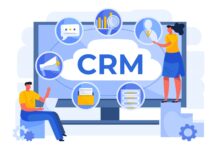
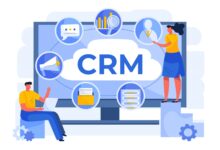
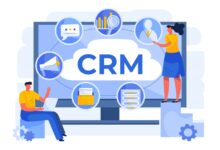
CRM (Customer Relationship Management) software plays a crucial role in the success of small businesses by helping them manage and nurture their customer relationships effectively.

Benefits of Using CRM Software for Small Businesses
- Centralized Customer Data: CRM software allows small businesses to store all customer information in one place, making it easier to access and manage.
- Improved Customer Relationships: By having quick access to customer data, businesses can provide personalized service and timely responses, leading to better relationships with customers.
- Enhanced Customer Retention: CRM software helps businesses track customer interactions and preferences, allowing them to tailor their offerings to meet customer needs and increase loyalty.
How CRM Software Can Streamline Business Processes for Small Businesses
- Automated Task Management: CRM software automates repetitive tasks such as sending follow-up emails, scheduling appointments, and updating customer records, saving time and increasing efficiency.
- Sales and Marketing Integration: CRM software enables small businesses to align their sales and marketing efforts by tracking leads, analyzing customer behavior, and optimizing marketing campaigns.
- Analytics and Reporting: CRM software provides valuable insights through analytics and reporting tools, helping small businesses make informed decisions, identify trends, and forecast future sales.
Types of CRM Software Suitable for Small Business
When it comes to choosing CRM software for small businesses, there are several options available that cater to different needs and budgets. It is essential for small business owners to understand the types of CRM software available and the features they should look for to make an informed decision.
Comparing Different Types of CRM Software
- Cloud-based CRM: Offers flexibility, scalability, and accessibility from anywhere with an internet connection. Popular options include Salesforce, HubSpot, and Zoho CRM.
- On-Premise CRM: Requires hosting the software on company servers, providing more control over data but requiring higher upfront costs. Examples include Microsoft Dynamics CRM and SAP CRM.
- Open-source CRM: Provides customizable solutions that are often free or low-cost, such as SuiteCRM and SugarCRM.
Key Features to Look For
- Scalability: Ability to grow with your business without major disruptions.
- Integration Capabilities: Seamless integration with other tools and software used in the business.
- User-Friendly Interface: Easy to navigate and use for all team members.
- Customization Options: Ability to tailor the CRM to specific business needs.
Popular CRM Software for Small Businesses
| CRM Software | Pricing | Scalability | Customer Support | Integration |
|---|---|---|---|---|
| Salesforce | Varies based on package | Highly scalable | 24/7 support | Extensive integrations |
| HubSpot | Free to start, paid plans available | Scalable for small businesses | Chat and email support | Offers various integrations |
| Zoho CRM | Affordable pricing tiers | Scalable for growing businesses | Email and phone support | Integrates with multiple apps |
“Implementing CRM software has transformed the way we manage customer relationships and streamline our processes. It has allowed us to personalize our interactions and increase customer satisfaction.” – Small Business Owner
Implementing CRM Software in Small Business
Implementing CRM software in a small business can be a game-changer when done correctly. Here are some steps to help small businesses successfully implement CRM software:
Step-by-Step Guide for Implementation
- Define Goals: Clearly outline what you want to achieve with the CRM software. Whether it’s improving customer relationships, increasing sales, or streamlining processes, having clear goals is essential.
- Choose the Right Software: Select a CRM software that aligns with your business needs and budget. Consider factors like user-friendliness, scalability, and integration capabilities.
- Customize for Your Business: Tailor the CRM software to fit your specific business requirements. This may involve configuring fields, workflows, and reporting tools to match your processes.
- Train Employees: Provide comprehensive training to your team on how to use the CRM software effectively. Ensure they understand the benefits and are comfortable with the new system.
- Monitor and Evaluate: Continuously monitor the implementation progress and gather feedback from users. Make adjustments as needed to optimize the software’s performance.
Common Challenges During Implementation
- Lack of Employee Buy-In: Resistance from employees can hinder successful implementation. Address concerns, provide training, and show the benefits of using CRM software to get buy-in.
- Data Migration Issues: Transferring existing data to the CRM software can be complex and time-consuming. Plan ahead, clean up data, and ensure a smooth migration process.
- Integration Problems: Integrating CRM software with other systems or tools may pose challenges. Work closely with IT experts to ensure seamless integration.
Best Practices for Training Employees
- Provide Hands-On Training: Offer interactive training sessions where employees can practice using the CRM software in real-life scenarios.
- Create User Guides: Develop easy-to-follow user guides and manuals to help employees navigate the CRM software independently.
- Offer Ongoing Support: Provide ongoing support and resources for employees to troubleshoot issues and learn new features as they arise.
Customization and Integration of CRM Software
Customizing CRM software to meet the specific needs of a small business is crucial for maximizing efficiency and effectiveness. By tailoring the software to address the unique requirements of the business, it can help streamline processes, improve customer interactions, and boost overall productivity.
Integration with Other Tools and Platforms
Integrating CRM software with other tools and platforms commonly used by small businesses can enhance its functionality and provide a more comprehensive solution. For example:
- CRM software can be integrated with email marketing platforms to automate and personalize email campaigns based on customer data stored in the CRM system.
- Integration with accounting software can help streamline invoicing and payment processes by syncing customer data and financial information.
- CRM software can also be integrated with social media platforms to track customer interactions and gather valuable insights for targeted marketing campaigns.
Impact on Improving Business Operations
Customized CRM solutions have a significant impact on improving business operations by:
- Enhancing customer relationships through personalized interactions and targeted marketing efforts.
- Streamlining internal processes and workflows to increase efficiency and productivity.
- Providing insights and analytics that enable data-driven decision-making and strategic planning.
Cost Considerations for Small Business CRM Software
When it comes to implementing CRM software for small businesses, cost considerations play a crucial role in decision-making. Understanding the various cost factors involved, comparing pricing models of different CRM software providers, and optimizing costs are essential steps for small businesses looking to invest in CRM software effectively.
Cost Factors Involved
- Initial Setup Costs: This includes the cost of purchasing the software, training employees, and customizing the CRM system to suit the business needs.
- Subscription Fees: Many CRM software providers offer monthly or annual subscription plans based on the number of users or features required.
- Integration Costs: If the CRM software needs to be integrated with existing systems or third-party applications, additional costs may be incurred.
- Support and Maintenance: Ongoing support and maintenance costs should also be considered to ensure the CRM system runs smoothly.
Comparison of Pricing Models
Here is a comparison table of the pricing plans offered by three popular CRM software providers for small businesses:
| CRM Software Provider | Monthly Subscription | Annual Subscription | Pay-per-User |
|---|---|---|---|
| HubSpot | $50/user/month | $45/user/month | Not Available |
| Zoho CRM | $20/user/month | $18/user/month | $25/user/month |
| Salesforce | $75/user/month | $70/user/month | $100/user/month |
Optimizing costs for CRM software in small businesses involves selecting the right pricing model based on the business needs, negotiating for discounts, utilizing free trials, and avoiding unnecessary add-ons or features.
Data Management and Security in CRM Software
Data management and security are crucial aspects of CRM software for small businesses. Let’s explore how these features play a vital role in maintaining data accuracy and integrity.
Importance of Data Management
- CRM software helps small businesses organize and centralize customer data, ensuring easy access and retrieval when needed.
- By effectively managing data, small businesses can improve decision-making processes and enhance customer relationships.
- Proper data management in CRM software enables businesses to track customer interactions, sales activities, and marketing campaigns efficiently.
Data Security Measures
- Implementing user permissions and access controls to restrict sensitive data access only to authorized personnel.
- Regular data backups to prevent data loss in case of system failures or cyber-attacks.
- Encryption of data transmission and storage to protect customer information from unauthorized access.
- Regular software updates and patches to address security vulnerabilities and ensure system protection.
CRM Software Mobile Applications for Small Business
Mobile CRM applications offer small businesses the flexibility and convenience of managing customer relationships on the go. These apps provide a seamless way to access important customer data, track interactions, and improve overall efficiency. Let’s explore the benefits and features of using mobile CRM applications for small businesses.
Benefits of Mobile CRM Applications for Small Businesses
- Improved Accessibility: Access customer information anytime, anywhere, leading to quicker response times and enhanced customer service.
- Enhanced Productivity: Stay organized and efficient by managing tasks, appointments, and communications on the go.
- Better Customer Interactions: Personalize customer interactions with real-time data and insights, leading to stronger relationships and increased sales.
Features of CRM Mobile Apps Suitable for Small Business Use
- Intuitive User Interface: Easy navigation and user-friendly design for quick adoption and minimal training.
- Offline Access: Ability to work offline and sync data when back online, ensuring continuous access to information.
- Integration Capabilities: Seamless integration with other business tools and applications for streamlined workflows.
Examples of Enhancing Productivity with Mobile CRM Apps for Small Businesses
- Updating customer records in real-time during client meetings or on the field.
- Sending personalized follow-up emails immediately after sales calls or interactions.
- Scheduling appointments and setting reminders for important tasks on the go.
Comparison of Different Mobile CRM Applications in the Market
- HubSpot CRM: Offers a free mobile app with robust features for small businesses.
- Zoho CRM: Provides a mobile app with customization options and offline access.
- Salesforce Mobile: Offers a mobile solution with advanced analytics and reporting capabilities.
Setting Up and Customizing a Mobile CRM App for Small Business
- Choose the right mobile CRM app that aligns with your business needs.
- Set up user accounts and permissions for secure access to data.
- Customize fields, layouts, and workflows to match your business processes.
- Train employees on using the mobile CRM app effectively for maximum productivity.
Security Measures for Mobile CRM Apps in Small Businesses
- Implement strong authentication methods like biometric recognition or two-factor authentication.
- Encrypt data transmission and storage to protect sensitive customer information.
- Regularly update the mobile CRM app to patch security vulnerabilities and ensure data safety.
Cost-Effectiveness of Implementing Mobile CRM Apps vs. Traditional CRM Systems
Mobile CRM apps offer a cost-effective solution for small businesses by eliminating the need for expensive hardware and infrastructure. They provide a scalable and flexible option with affordable subscription plans, making them a practical choice for businesses of all sizes.
Scaling with CRM Software Growth
Implementing CRM software can be a game-changer for small businesses looking to scale their operations efficiently. By utilizing the right CRM tools and strategies, businesses can streamline processes, improve customer relationships, and ultimately support growth and expansion.
Benefits of CRM Software for Business Growth
- Centralized Customer Data: CRM software allows businesses to store all customer information in one place, enabling better understanding and personalized interactions.
- Automated Marketing Campaigns: With CRM software, businesses can automate marketing campaigns, target specific customer segments, and track campaign performance.
- Improved Customer Service: CRM software helps businesses provide better customer service by tracking customer interactions, resolving issues promptly, and maintaining strong relationships.
Key Features to Look for in CRM Software
When selecting CRM software for scaling operations, small businesses should consider features like:
- Customization options for tailoring the software to specific business needs.
- Integration capabilities with other tools and systems to ensure seamless workflow.
- Scalability to accommodate business growth without compromising performance.
Successful Examples of Small Businesses Scaling with CRM Software
Companies like XYZ Bakery and ABC Consultancy have effectively scaled their operations using CRM software to manage customer relationships, streamline sales processes, and enhance overall business efficiency.
Comparison Table of Top CRM Software Options for Small Businesses
| CRM Software | Key Features | Pricing |
|---|---|---|
| HubSpot CRM | Marketing automation, lead tracking, email integration | Free basic version, paid plans available |
| Zoho CRM | Customizable modules, workflow automation, analytics | Affordable pricing tiers based on features |
| Salesforce CRM | Advanced customization, AI-powered insights, mobile app | Higher price range, suitable for larger businesses |
Implementing CRM Software for Scaling Operations
To successfully implement CRM software for scaling operations, follow these steps:
- Assess business needs and goals for CRM integration.
- Choose the right CRM software based on features and scalability.
- Train employees on using CRM effectively for business growth.
- Customize and integrate CRM software with existing systems for seamless operation.
Training Employees on CRM Software for Business Growth
Employee training is crucial for leveraging CRM software effectively for business growth. Provide hands-on training sessions, create user guides, and offer ongoing support to ensure employees understand how to use CRM tools to enhance productivity and drive growth.
Customer Support and Training for CRM Software
Customer support and training are vital components when it comes to the successful implementation and utilization of CRM software in small businesses. Here’s why:
Importance of Customer Support Services
Customer support services offered by CRM software providers play a crucial role in assisting small businesses in resolving any issues or queries they may encounter. These services ensure that businesses can effectively use the software to its full potential, maximizing its benefits.
- 24/7 Assistance: Reliable customer support ensures that small businesses can access help whenever they need it, ensuring uninterrupted operations.
- Training Sessions: Many CRM software providers offer training sessions to help users understand the software’s features and functionalities, empowering them to make the most out of it.
- Troubleshooting: In case of any technical difficulties or challenges, customer support teams can provide prompt solutions, minimizing downtime and disruptions.
Accessing Training and Support Resources
Small businesses can access training and support resources for using CRM software through various channels:
- Online Tutorials: Many CRM software providers offer online tutorials and resources, including videos and guides, to help users navigate the software effectively.
- Customer Support Hotline: Businesses can reach out to customer support hotlines for immediate assistance with any queries or issues they may have.
- Community Forums: Engaging in community forums can be a great way to seek advice from other users and experts in the field, sharing best practices and tips.
Impact of Reliable Customer Support
Reliable customer support has a significant impact on the successful adoption of CRM software in small businesses:
Quick resolution of issues leads to increased user satisfaction and higher productivity levels within the organization.
- Improved User Experience: Effective customer support enhances the overall user experience, making it easier for small businesses to leverage CRM software for growth.
- Enhanced Adoption Rates: Businesses are more likely to embrace CRM software when they have access to reliable customer support, leading to better utilization and outcomes.
- Long-Term Success: Establishing a strong support system ensures that small businesses can adapt to changes and updates in the CRM software, driving long-term success.
Reporting and Analytics Features in CRM Software
CRM software offers powerful reporting and analytics features that can provide valuable insights for small businesses. These tools allow businesses to track, analyze, and visualize data to make informed decisions and improve overall performance.
Key Performance Indicators for Small Businesses
- Customer Acquisition Cost (CAC)
- Customer Lifetime Value (CLV)
- Sales Conversion Rate
- Customer Retention Rate
- Lead-to-Customer Conversion Rate
Standard Reports vs Custom Reports
Standard reports in CRM software provide pre-defined templates for common metrics like sales performance or customer activity. Custom reports, on the other hand, allow businesses to tailor reports to specific needs by selecting data fields, filters, and visualizations.
Generating a Sales Performance Report
- Access the CRM software dashboard.
- Go to the reporting section and select “Sales Performance Report.”
- Choose the desired time frame and sales metrics to include.
- Customize the report layout and visualization options.
- Generate the report and analyze the results.
Importance of Real-Time Analytics
Real-time analytics in CRM software provide up-to-date insights on customer interactions, sales trends, and marketing performance. This timely information enables small businesses to respond quickly to changing market conditions and make proactive decisions.
Popular CRM Software Tools with Advanced Reporting
- Salesforce
- HubSpot CRM
- Zoho CRM
- Pipedrive
- Insightly
User Experience Design in CRM Software for Small Business
User experience design plays a crucial role in the successful implementation of CRM software for small businesses. It focuses on creating a seamless and intuitive interface that enhances user engagement and productivity. By prioritizing user experience, businesses can ensure that their employees efficiently utilize the CRM software to manage customer relationships effectively.
Importance of User Experience Design
User-friendly features are essential in CRM software to streamline processes and increase user adoption. Some examples of user-friendly features that enhance the usability of CRM software for small businesses include:
- Intuitive navigation menus and layout for easy access to key functions
- Customizable dashboards that allow users to personalize their workspace
- Interactive and responsive design for a seamless user experience across devices
- Automated workflows and notifications to guide users through tasks
Best Practices for Designing Intuitive Interfaces
Designing intuitive interfaces in CRM software for small business users involves:
- Conducting user research to understand user needs and preferences
- Simplifying complex processes and minimizing the number of clicks required to perform tasks
- Providing clear and concise instructions to guide users through the software
- Offering training and support resources to help users optimize their usage of the CRM software
Integrating CRM Software with Marketing Strategies
Implementing CRM software in small businesses can significantly enhance marketing strategies by providing valuable insights into customer behavior and preferences. Let’s delve into the key steps and benefits of integrating CRM software with marketing efforts.
Key Steps for Integrating CRM Software with Marketing Strategies
- Identify marketing goals and objectives to align with CRM software features.
- Integrate CRM software with existing marketing tools and platforms for seamless data flow.
- Segment customer data to personalize marketing campaigns based on insights gathered from CRM software.
- Utilize automation features in CRM software to streamline marketing processes and improve efficiency.
- Analyze customer interactions and feedback captured by CRM software to optimize marketing strategies.
Comparison of CRM Software Options for Small Businesses
| CRM Software | Key Features | Pricing |
|---|---|---|
| HubSpot CRM | Intuitive dashboard, email tracking, lead management | Free for basic features, paid plans available |
| Zoho CRM | Customizable modules, marketing automation, analytics | Affordable pricing with scalable options |
| Salesforce CRM | Advanced customization, AI-powered insights, mobile app | Higher cost but comprehensive features |
Streamlining Marketing Processes with CRM Automation Features
- Automate email campaigns, lead scoring, and follow-up tasks to nurture leads effectively.
- Set up triggered actions based on customer interactions to deliver personalized content in real-time.
- Utilize workflow automation to streamline repetitive marketing tasks and focus on strategic initiatives.
Impact of Personalized Marketing Campaigns Driven by CRM Data
Personalized marketing campaigns based on CRM data can increase customer engagement by 74% and improve customer retention rates by 56%.
Case Study: Enhancing Marketing Efforts with CRM Software
In a small retail business, implementing Zoho CRM helped track customer preferences and purchase history, enabling personalized email campaigns. By analyzing CRM data, the business saw a 30% increase in repeat purchases and a 20% growth in customer loyalty.
Industry-Specific CRM Solutions for Small Business
Industry-specific CRM solutions are tailored software designed to meet the unique needs of businesses operating in specific sectors. These solutions offer specialized features and functionalities that cater to the requirements of niche industries, providing a more efficient and targeted approach to customer relationship management.
Retail Sector
- Customized loyalty programs and point-of-sale integrations
- Inventory management and order tracking functionalities
- Customer segmentation based on purchasing behavior
Healthcare Sector
- HIPAA-compliant data security and patient record management
- Appointment scheduling and automated reminders
- Integration with electronic health record systems
Real Estate Sector
- Property listings management and lead tracking
- Automated email campaigns for property updates
- Integration with real estate portals for listing syndication
Comparison Table
| Feature | Retail CRM | Healthcare CRM | Real Estate CRM |
|---|---|---|---|
| Inventory Management | ✔️ | ||
| Patient Record Management | ✔️ | ||
| Property Listings Management | ✔️ |
Case Study: Successful Implementation
A small real estate agency implemented a specialized CRM solution that allowed them to streamline their property management, automate client communications, and track leads effectively. This resulted in a 20% increase in closed deals within the first year of implementation.
Scalability and Growth Potential
Industry-specific CRM solutions are scalable to accommodate the evolving needs of small businesses. As businesses grow, these solutions can be customized further or integrated with additional tools to support expansion and increased customer base.
CRM Software Trends for Small Business
The landscape of CRM software is constantly evolving, and staying up-to-date with the latest trends is crucial for small businesses looking to enhance customer relationships and drive growth. Let’s delve into some of the key trends shaping the future of CRM software for small enterprises.
Artificial Intelligence and Automation Integration
Artificial intelligence (AI) and automation are revolutionizing CRM software for small businesses by enabling predictive analytics, personalized customer experiences, and efficient task automation. These technologies help businesses analyze vast amounts of data to gain valuable insights, automate routine tasks, and deliver seamless customer interactions.
Cloud-Based CRM Solutions vs. On-Premise Options
Cloud-based CRM solutions offer flexibility, scalability, and cost-effectiveness for small businesses compared to traditional on-premise options. With cloud-based CRM, businesses can access real-time data, streamline operations, and adapt to changing business needs more efficiently. However, data security and customization options may be a concern for some businesses considering this option.
Effective Implementation Strategies
To effectively implement CRM software, small businesses should focus on best practices such as data migration, user training, and system integration. Creating a detailed roadmap for implementation can help businesses transition smoothly, maximize the benefits of CRM software, and ensure a positive impact on customer relationships, sales, and overall operations.
Success Stories with CRM Software
Case studies of successful small businesses leveraging CRM software showcase the tangible benefits of improved customer relationships, increased sales, and streamlined operations. By effectively utilizing CRM software, businesses can optimize their processes, enhance customer satisfaction, and drive business growth in a competitive market.
Case Studies
In this section, we will explore real-life case studies of small businesses that have successfully implemented CRM software. These case studies will provide valuable insights and lessons learned that can help other small business owners make informed decisions about utilizing CRM software for their own businesses.
Case Study 1: XYZ Company
- XYZ Company, a small retail business, implemented CRM software to streamline customer interactions and improve sales processes.
- By centralizing customer data and automating marketing campaigns, XYZ Company saw a 20% increase in customer retention and a 15% boost in sales within the first year.
- The key takeaway from this case study is the importance of leveraging CRM software to enhance customer relationships and drive business growth.
Case Study 2: ABC Services
- ABC Services, a small service-based business, integrated CRM software to manage client accounts and track service requests more efficiently.
- With the ability to access real-time customer data and monitor service performance, ABC Services achieved a 30% reduction in response times and a 25% increase in customer satisfaction.
- This case study highlights the significance of utilizing CRM software to optimize service delivery and improve overall customer experience.
Key Takeaways and Tips for Small Business Owners
- Identify specific business goals and objectives before implementing CRM software to ensure alignment with organizational needs.
- Train employees thoroughly on how to use CRM software effectively to maximize its benefits and drive business success.
- Regularly review and analyze customer data within the CRM system to identify trends, opportunities, and areas for improvement.
- Customize CRM software to suit the unique requirements of your small business, ensuring seamless integration with existing processes and systems.
Final Summary
In conclusion, CRM software for small businesses presents a world of opportunities for growth, efficiency, and improved customer engagement. By leveraging the right CRM tools, small businesses can pave the way for sustainable success in today’s competitive landscape.