Customer Relationship Management for E-commerce sets the stage for this enthralling narrative, offering readers a glimpse into a story that is rich in detail and brimming with originality from the outset. In the realm of online business, establishing strong relationships with customers is paramount for success. Let’s delve into the world of CRM for e-commerce and discover its significance in shaping customer interactions and loyalty.
Introduction to Customer Relationship Management for E-commerce
Customer Relationship Management (CRM) in an e-commerce context refers to the strategies and practices that businesses implement to manage and analyze interactions with their customers throughout the customer lifecycle. This includes managing customer data, communication, and improving customer satisfaction and loyalty.

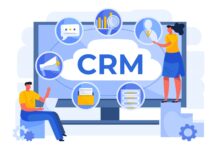
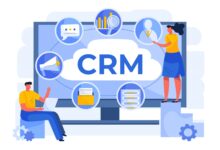
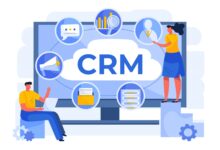
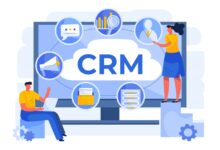

CRM is crucial for e-commerce businesses as it helps in understanding customer behavior, preferences, and needs. By maintaining a strong relationship with customers, businesses can personalize marketing efforts, provide better customer service, and ultimately increase sales and customer retention.
Importance of CRM for E-commerce Businesses
- Enhanced customer satisfaction: CRM allows businesses to better understand their customers’ needs and provide personalized experiences, leading to higher satisfaction levels.
- Improved customer retention: By maintaining positive relationships with customers through CRM strategies, businesses can increase customer loyalty and retention rates.
- Increased sales: Personalized marketing and targeted communication through CRM can result in higher conversion rates and increased sales.
- Efficient marketing strategies: CRM helps businesses segment their customer base, target specific demographics, and tailor marketing campaigns accordingly.
CRM Strategies in E-commerce vs. Traditional Businesses
- In e-commerce, CRM is often more data-driven, leveraging customer data from online interactions to personalize marketing efforts and improve customer experiences.
- E-commerce CRM strategies focus on omnichannel customer engagement, considering interactions across multiple digital platforms and touchpoints.
- Traditional businesses may rely more on in-person interactions and customer service for CRM, while e-commerce businesses utilize automated processes and digital tools for managing customer relationships.
Benefits of Implementing CRM in E-commerce
Implementing Customer Relationship Management (CRM) in e-commerce can offer a wide array of advantages for online businesses. From enhancing customer retention to personalizing the shopping experience, CRM plays a crucial role in improving overall customer satisfaction and loyalty.
Improved Customer Retention
- CRM allows businesses to track customer interactions, purchase history, and preferences, enabling them to tailor their marketing strategies accordingly. By understanding customer behavior and needs, businesses can create targeted campaigns and offers that resonate with their audience, ultimately leading to increased customer retention.
- For example, an e-commerce store can use CRM data to send personalized recommendations to customers based on their previous purchases, increasing the likelihood of repeat purchases and customer loyalty.
Personalized Shopping Experience
- CRM systems collect valuable customer data that can be used to provide a personalized shopping experience. By leveraging this data, businesses can create customized product recommendations, promotions, and communication channels tailored to each individual customer.
- For instance, an online retailer can use CRM to send personalized birthday offers or exclusive discounts to customers, making them feel valued and appreciated, thus enhancing their overall shopping experience.
Types of CRM Systems for E-commerce
When it comes to Customer Relationship Management (CRM) systems for e-commerce businesses, there are various types available, each with its own set of features and functionalities. Let’s compare and contrast different types of CRM systems, focusing on the benefits they offer to e-commerce enterprises.
On-Premise CRM Systems
On-premise CRM systems are installed and managed on the company’s servers and premises. They offer full control and customization but require a significant upfront investment in hardware and software. These systems are suitable for large enterprises with specific security and compliance requirements.
Cloud-Based CRM Platforms
Cloud-based CRM platforms, on the other hand, are hosted on the vendor’s servers and accessed through the internet. They are cost-effective, scalable, and offer flexibility in terms of accessibility. Features of cloud-based CRM platforms include:
- Scalability: Cloud-based CRM platforms can easily scale up or down based on the needs of the e-commerce business. This flexibility allows businesses to adapt to changing market conditions quickly.
- Accessibility: These platforms can be accessed from anywhere with an internet connection, making it convenient for remote teams or businesses with multiple locations.
- Integration: Cloud-based CRM platforms often offer seamless integration with other e-commerce tools and applications, streamlining processes and improving efficiency.
- Automatic Updates: Vendors regularly update cloud-based CRM platforms with new features and security patches, ensuring that businesses always have access to the latest technology.
Mobile CRM Solutions
Mobile CRM solutions are designed for on-the-go access to customer data and interactions. These systems enable sales representatives and customer service agents to access CRM information from their mobile devices, increasing productivity and responsiveness.
Overall, the scalability of CRM systems is crucial for growing e-commerce enterprises, as it allows businesses to adapt to changing customer needs and market trends. Choosing the right CRM system that aligns with the goals and requirements of the e-commerce business is essential for maximizing customer relationships and driving growth.
Data Management in CRM for E-commerce
Data management plays a crucial role in Customer Relationship Management (CRM) for e-commerce businesses. It involves the collection, storage, and analysis of customer data to better understand their behaviors and preferences. This data is then utilized to create personalized marketing strategies and improve overall customer experience.
Importance of Data Analytics in Understanding Customer Behavior Online
Data analytics in CRM helps businesses gain valuable insights into customer behavior online. By analyzing data such as purchase history, browsing patterns, and demographic information, e-commerce companies can identify trends, predict future behavior, and tailor their marketing efforts accordingly. This deep understanding of customer behavior allows businesses to offer personalized recommendations, promotions, and communication, leading to increased customer satisfaction and loyalty.
Examples of Leveraging Data Collected Through CRM Systems for Marketing Strategies
- Targeted Marketing Campaigns: By segmenting customers based on their preferences and purchase history, e-commerce businesses can create targeted marketing campaigns that resonate with specific customer segments.
- Personalized Recommendations: Utilizing data on past purchases and browsing behavior, businesses can offer personalized product recommendations to customers, increasing the likelihood of a purchase.
- Behavioral Retargeting: By tracking customer behavior on their website, businesses can retarget customers with personalized ads based on their previous interactions, encouraging them to revisit and make a purchase.
- Optimizing Email Marketing: Data from CRM systems can be used to personalize email marketing campaigns, sending relevant content and offers to customers based on their preferences and behavior.
Personalization and Customer Segmentation in E-commerce CRM
Personalization and customer segmentation play a crucial role in enhancing the customer experience and driving sales in e-commerce CRM. By leveraging AI technologies, companies can create personalized marketing strategies that cater to the unique preferences and needs of individual customers.
Role of AI in Personalized Marketing
AI enables e-commerce CRM systems to analyze vast amounts of customer data in real-time, allowing companies to understand customer behavior, predict future actions, and deliver targeted marketing messages. By utilizing machine learning algorithms, AI can recommend products, personalize content, and optimize customer interactions based on individual preferences.
Comparison of Customer Segmentation Methods
– Demographic segmentation categorizes customers based on age, gender, income, and other measurable attributes.
– Behavioral segmentation divides customers based on their purchasing behavior, preferences, and interactions with the e-commerce platform.
– Psychographic segmentation classifies customers according to their lifestyle, values, beliefs, and attitudes towards products or services.
Importance of Real-time Data Analysis
Real-time data analysis allows companies to track customer behavior, preferences, and interactions as they happen. By analyzing this data in real-time, companies can tailor marketing campaigns to specific customer segments, deliver personalized recommendations, and optimize the customer journey for increased conversions.
Enhancing Personalized Shopping Experiences
Collaborative filtering and recommendation engines use customer data and behavior to suggest products or services that are likely to be of interest to individual customers. By utilizing these technologies, e-commerce CRM systems can enhance the personalized shopping experience, increase customer engagement, and drive repeat purchases.
Ethical Considerations in Personalized Marketing
Companies must prioritize customer privacy, data security, and transparency when implementing personalized marketing strategies in e-commerce CRM. It is essential to obtain customer consent for data collection, use customer data responsibly, and provide clear opt-out options for customers who do not wish to receive personalized marketing messages.
Integrating CRM with E-commerce Platforms
Integrating CRM with e-commerce platforms like Shopify, Magento, or WooCommerce is essential for businesses to streamline customer interactions and improve overall efficiency. The process involves several steps to ensure a seamless integration:
Setting up CRM Integration with E-commerce Platforms
- Choose a CRM system that offers integration capabilities with your e-commerce platform.
- Install and configure the CRM integration plugin or app provided by the CRM software on your e-commerce platform.
- Map out the data fields between CRM and e-commerce platform to ensure data consistency.
- Test the integration thoroughly to identify and resolve any issues before going live.
Key Challenges and Solutions
- Challenge: Data inconsistency between CRM and e-commerce platform.
- Solution: Regularly sync data between the two systems to maintain accuracy.
- Challenge: Technical compatibility issues during integration.
- Solution: Work closely with CRM and e-commerce platform support teams to troubleshoot and resolve compatibility issues.
Successful CRM and E-commerce Platform Integrations
One successful example is the integration of Salesforce CRM with Magento e-commerce platform, allowing businesses to leverage customer data for personalized marketing and improved sales performance.
Role of Data Synchronization
- Data synchronization ensures that customer information is consistent and up-to-date across CRM and e-commerce platforms.
- Automatic syncing of data helps in avoiding manual errors and ensures a seamless customer experience.
Customizing CRM Features for E-commerce Goals
- Identify specific e-commerce goals and objectives to tailor CRM features accordingly.
- Utilize CRM tools for order tracking, customer segmentation, and personalized marketing campaigns to align with e-commerce business objectives.
Security Measures in CRM Integration
- Implement encryption protocols to protect sensitive customer data during CRM integration with e-commerce platforms.
- Regularly update security patches and conduct security audits to prevent data breaches and unauthorized access.
Customer Service and Support through CRM in E-commerce
Customer service plays a crucial role in the success of any e-commerce business. In the online retail space, personalized customer interactions are essential for building strong relationships with customers. This is where Customer Relationship Management (CRM) systems come into play, as they enable businesses to tailor their interactions with customers based on their preferences, behaviors, and past interactions.
Importance of Personalized Customer Interactions
Personalized customer interactions help create a unique and memorable shopping experience for each customer. By leveraging CRM systems, e-commerce businesses can track customer data, such as purchase history, browsing behavior, and preferences, to personalize communication and recommendations.
Role of Data Analytics in CRM
Data analytics is a key component of CRM systems, as it allows businesses to analyze customer data and gain insights into their preferences and behaviors. By understanding customer trends, businesses can anticipate needs, tailor marketing campaigns, and improve overall customer satisfaction.
Setting Up Automated Responses in CRM Systems
- Identify common customer queries and concerns.
- Create predefined response templates for each query.
- Set up triggers to automate responses based on specific customer actions or inquiries.
- Regularly review and update automated responses to ensure accuracy and relevance.
Significance of Omni-channel Integration
Omni-channel integration in CRM allows businesses to provide seamless customer service across multiple platforms, such as websites, social media, email, and mobile apps. This ensures that customers receive consistent support and assistance regardless of the channel they choose to interact with the business.
Benefits of Implementing Feedback Loops
- Continuous improvement of customer support processes based on customer feedback.
- Identifying areas for enhancement and refinement in customer service.
- Building customer loyalty and trust through responsive and customer-centric support.
Feedback and Review Management in E-commerce CRM
Customer feedback is crucial for the success of any e-commerce business. Collecting feedback through CRM systems allows companies to understand customer preferences, pain points, and overall satisfaction levels. This valuable data can help businesses make informed decisions, improve products or services, and enhance the overall customer experience.
Importance of Collecting Customer Feedback
Customer feedback collected through CRM systems provides insights into customer satisfaction, preferences, and concerns. By analyzing this feedback, e-commerce businesses can identify areas for improvement, make data-driven decisions, and tailor their offerings to meet customer needs effectively.
- Feedback helps in understanding customer satisfaction levels and identifying areas for improvement.
- It allows businesses to make data-driven decisions to enhance the overall customer experience.
- Feedback enables companies to personalize interactions and offerings based on customer preferences.
Strategies for Managing and Responding to Reviews
In an e-commerce CRM framework, it is essential to have strategies in place for managing and responding to customer reviews. Responding promptly and professionally to reviews, whether positive or negative, can help build trust with customers and demonstrate a commitment to excellent customer service.
- Monitor reviews regularly to stay informed about customer feedback and sentiments.
- Respond promptly to reviews, addressing any concerns or issues raised by customers.
- Use feedback to make improvements and showcase how customer input is valued and acted upon.
Driving Improvements through Feedback Loops
Feedback loops in e-commerce CRM systems create a continuous cycle of collecting, analyzing, and implementing customer feedback to drive improvements in online businesses. By leveraging feedback loops effectively, companies can enhance their products, services, and customer interactions based on real-time insights from customers.
- Implement changes based on customer feedback to enhance the overall customer experience.
- Use feedback loops to address recurring issues and make iterative improvements over time.
- Engage with customers to gather feedback proactively and foster a customer-centric approach to business operations.
Loyalty Programs and CRM in E-commerce
Customer Relationship Management (CRM) systems play a crucial role in facilitating the implementation of loyalty programs in e-commerce. By leveraging customer data and insights, businesses can design and execute effective loyalty initiatives to retain customers and drive repeat purchases.
Role of Customer Data in Designing Loyalty Initiatives
Customer data is the foundation of successful loyalty programs in e-commerce. By analyzing purchase history, browsing behavior, and demographics, businesses can tailor loyalty rewards and incentives to meet the specific needs and preferences of their customers. This personalized approach not only increases customer satisfaction but also fosters long-term loyalty.
- Utilize CRM data to identify high-value customers and offer exclusive rewards or discounts to incentivize repeat purchases.
- Implement targeted marketing campaigns based on customer segmentation to promote loyalty program sign-ups and engagement.
- Track customer interactions and feedback through CRM systems to continuously improve and optimize loyalty initiatives.
Examples of Successful Loyalty Programs Driven by CRM Strategies
Amazon Prime
Amazon Prime is a prime example of a successful loyalty program driven by CRM strategies. By leveraging CRM data to offer fast shipping, exclusive deals, and personalized recommendations, Amazon has been able to increase customer retention and loyalty significantly.
Sephora Beauty Insider
Sephora’s Beauty Insider program is another great example of how CRM can enhance loyalty initiatives. By collecting customer data on beauty preferences and purchase history, Sephora can provide personalized product recommendations, exclusive events, and rewards to loyal customers, driving engagement and repeat purchases.
Starbucks Rewards
Starbucks Rewards utilizes CRM data to offer personalized rewards, free drinks, and discounts based on customer behavior and preferences. This has led to increased customer loyalty, higher retention rates, and a boost in overall sales for Starbucks.
Mobile CRM Strategies for E-commerce
Mobile CRM strategies are essential in today’s e-commerce landscape to effectively engage with the growing mobile audience. With the majority of online shoppers using mobile devices, implementing CRM on mobile platforms presents both challenges and opportunities for businesses looking to enhance their customer relationships.
Importance of Mobile CRM Strategies
Mobile CRM strategies play a crucial role in catering to the preferences of mobile shoppers, offering a seamless and personalized shopping experience. By optimizing CRM for mobile platforms, businesses can stay connected with customers on-the-go and provide targeted offers and promotions.
Challenges and Opportunities
Implementing CRM on mobile platforms can be challenging due to the smaller screen size and different user behavior compared to desktops. However, this also presents opportunities to leverage features like location-based services, mobile notifications, and in-app messaging to enhance customer engagement.
Examples of Mobile CRM Features
Some examples of mobile CRM features that enhance the customer experience include personalized product recommendations, mobile loyalty programs, in-app chat support, and mobile-exclusive discounts. These features help businesses build stronger relationships with their mobile customers.
Integrating Personalization into Mobile CRM
Personalization is key to boosting customer engagement in mobile CRM strategies. By using data analytics to segment customers based on their preferences and behavior, businesses can deliver personalized content, recommendations, and offers through mobile channels.
Role of Data Analytics
Data analytics plays a vital role in optimizing mobile CRM strategies for e-commerce. By analyzing customer data from mobile interactions, businesses can gain valuable insights into customer behavior, preferences, and trends, allowing them to tailor their mobile CRM efforts effectively.
Push Notifications vs. In-App Messages
Push notifications are effective for reaching a wide audience quickly, while in-app messages offer a more personalized and interactive communication channel. Businesses can use a combination of both to engage with customers at different touchpoints in their mobile shopping journey.
Comparison of Mobile CRM Platforms
[table with comparison of different mobile CRM platforms available for e-commerce businesses]
Setting up a Mobile CRM Campaign
A step-by-step guide on setting up a mobile CRM campaign for an e-commerce store:
1. Define your mobile CRM goals and objectives.
2. Choose the right mobile CRM platform for your business needs.
3. Segment your mobile customer base for targeted messaging.
4. Create personalized content and offers for mobile customers.
5. Monitor and analyze the performance of your mobile CRM campaign to optimize results.
A real-life success story: Company XYZ implemented innovative mobile CRM strategies by leveraging geolocation data to send personalized offers to customers when they were near their physical stores. This approach led to a significant increase in mobile sales and customer engagement.
Cross-Selling and Upselling Techniques in E-commerce CRM
Cross-selling and upselling are essential strategies in e-commerce to increase revenue and customer lifetime value. CRM systems play a crucial role in implementing these techniques effectively by leveraging customer data and behavior patterns.
Personalized Product Recommendations
One of the key benefits of CRM in e-commerce is the ability to provide personalized product recommendations to customers. By analyzing past purchase history, browsing behavior, and preferences, CRM systems can suggest relevant products to customers, increasing the likelihood of cross-selling and upselling.
Successful Campaign Examples
- Amazon’s “Customers who bought this also bought…” section
- Netflix’s personalized movie recommendations based on viewing history
- Sephora’s product bundles based on skincare routines
Key Metrics and KPIs
- Conversion Rate
- Average Order Value (AOV)
- Repeat Purchase Rate
- Customer Lifetime Value (CLV)
Setting up Automated Campaigns
To set up automated cross-selling and upselling campaigns within a CRM system, follow these steps:
- Segment customers based on purchase history and preferences
- Create personalized product recommendations for each customer segment
- Set up triggers to send automated emails or notifications with recommendations
- Track and analyze the performance of the campaigns using KPIs
Email vs. In-App Techniques
While email campaigns are effective for reaching a wider audience, in-app techniques tend to have higher conversion rates due to the immediacy of the recommendations. It is essential to test and optimize both channels for the best results.
Role of AI and Machine Learning
AI and machine learning algorithms can help optimize cross-selling and upselling recommendations by analyzing vast amounts of customer data in real-time. These technologies can predict customer behavior and preferences, leading to more accurate and personalized product suggestions.
Automation and AI in E-commerce CRM
Automation and AI technologies play a crucial role in optimizing Customer Relationship Management (CRM) processes for e-commerce platforms. These advanced technologies streamline various tasks, enhance customer interactions, and improve overall efficiency in managing customer relationships online.
AI-powered Chatbots and Predictive Analytics
AI-powered chatbots and predictive analytics are vital components of e-commerce CRM. Chatbots provide instant customer support, answer queries, and guide customers through the buying process. Predictive analytics, on the other hand, analyze customer data to anticipate their needs and behavior, enabling personalized recommendations and targeted marketing strategies.
- AI-powered chatbots offer 24/7 customer service, reducing response times and enhancing customer satisfaction.
- Predictive analytics can forecast trends, preferences, and potential churn, allowing businesses to proactively address customer needs and concerns.
Automation vs. Manual Processes
Automation in CRM for e-commerce platforms provides several advantages over manual processes. It accelerates repetitive tasks, minimizes human error, and ensures consistency in customer interactions. By automating workflows and responses, businesses can scale their operations efficiently and focus on high-value tasks.
- Automation saves time and resources, enabling businesses to handle a larger volume of customer inquiries and requests.
- Manual processes are prone to errors and inconsistencies, leading to a lower quality of customer service compared to automated systems.
AI-driven Personalization Strategies
Implementing AI-driven personalization strategies involves analyzing customer data to deliver tailored experiences. By leveraging machine learning algorithms, e-commerce platforms can segment customers based on behavior, preferences, and purchase history to provide relevant product recommendations, promotions, and content.
- AI-driven personalization enhances customer engagement, loyalty, and satisfaction by delivering personalized experiences at every touchpoint.
- By understanding individual customer preferences, businesses can increase conversion rates and drive repeat purchases through targeted marketing campaigns.
Impact of AI on Customer Retention
AI plays a significant role in reducing customer churn rates and increasing customer retention in online businesses. By analyzing vast amounts of customer data, machine learning algorithms can identify patterns, predict customer behavior, and proactively address issues before they escalate. This proactive approach fosters long-term relationships with customers and improves overall retention rates.
- AI enables businesses to offer personalized incentives, discounts, and promotions to retain customers and prevent them from switching to competitors.
- By continuously analyzing customer interactions and feedback, AI helps businesses adapt their strategies and offerings to meet evolving customer needs and preferences.
Machine Learning Algorithms for Targeted Marketing
Machine learning algorithms are instrumental in analyzing customer data for targeted marketing campaigns. By segmenting customers based on demographics, behavior, and engagement metrics, businesses can create hyper-targeted campaigns that resonate with specific audience segments. This personalized approach increases the effectiveness of marketing efforts and drives higher conversion rates.
- Machine learning algorithms optimize marketing campaigns by predicting customer responses, preferences, and purchasing patterns, resulting in higher ROI and engagement.
- By leveraging AI for targeted marketing, businesses can deliver relevant content, recommendations, and offers that align with individual customer needs and interests, fostering brand loyalty and long-term relationships.
Security and Privacy Considerations in E-commerce CRM
Data security and privacy compliance are crucial aspects of CRM systems for e-commerce, as they deal with sensitive customer information. Implementing best practices to safeguard this data is essential to maintain trust and protect customer privacy.
Importance of Data Security in CRM for E-commerce
- Customer trust: Ensuring data security builds trust with customers and enhances the reputation of the e-commerce business.
- Compliance requirements: Adhering to data protection regulations helps avoid legal issues and penalties.
- Preventing data breaches: Implementing robust security measures reduces the risk of data breaches and unauthorized access.
Best Practices for Safeguarding Customer Information
- Implementing encryption: Encrypting sensitive data stored in CRM databases adds an extra layer of protection.
- Access control: Restricting access to customer information based on roles and responsibilities minimizes the risk of data misuse.
- Regular security updates: Updating security protocols and patches ensures vulnerabilities are addressed promptly.
Role of Encryption in Protecting Customer Data
Encryption plays a vital role in protecting sensitive customer data stored in CRM databases by converting the information into a coded format that can only be accessed with the correct decryption key.
Steps for Updating Security Protocols
- Regular software updates: Ensuring that CRM software is up to date with the latest security patches.
- Monitoring for vulnerabilities: Conducting regular security audits to identify and address any weaknesses in the system.
- Employee training: Providing security awareness training to staff to prevent common security threats like phishing attacks.
Managing Customer Authentication Credentials Securely
- Hashing passwords: Storing hashed passwords instead of plain text to prevent unauthorized access in case of a data breach.
- Multi-factor authentication: Implementing additional authentication steps like OTPs or security questions for enhanced security.
Measuring Success and ROI in E-commerce CRM
In the world of E-commerce, measuring the success and return on investment (ROI) of Customer Relationship Management (CRM) initiatives is crucial for businesses to understand the effectiveness of their strategies.
Key Performance Indicators (KPIs) for E-commerce CRM
- Customer Acquisition Cost (CAC): This metric helps in determining how much it costs to acquire a new customer through CRM efforts.
- Customer Retention Rate: It indicates the percentage of customers who continue to engage with the brand over a specific period.
- Conversion Rate: This measures the percentage of website visitors who complete a desired action, such as making a purchase, after interacting with CRM activities.
- Customer Lifetime Value (CLV): CLV shows the total revenue a business can expect from a single customer over their entire relationship with the brand.
Calculating ROI of E-commerce CRM
- ROI = (Net Profit from CRM – Cost of CRM) / Cost of CRM * 100%
- By comparing the revenue generated or cost savings from CRM activities against the initial investment, businesses can determine the ROI of their CRM initiatives.
Examples of Success Metrics in E-commerce CRM
- Increased Customer Engagement: Higher interaction rates, repeat purchases, and customer satisfaction scores indicate the success of CRM strategies.
- Improved Sales Conversions: A boost in conversion rates or average order value due to personalized recommendations or targeted marketing campaigns showcases the effectiveness of CRM efforts.
- Enhanced Customer Loyalty: Growing numbers of loyal customers, participation in loyalty programs, and positive reviews are signs of successful CRM implementations.
Future Trends and Innovations in E-commerce CRM
The future of Customer Relationship Management (CRM) in e-commerce is being shaped by emerging technologies and innovative trends that are revolutionizing how businesses interact with their customers online. In this rapidly evolving landscape, AI, machine learning, blockchain, chatbots, virtual assistants, personalization, predictive analytics, and data analytics play a pivotal role in enhancing customer engagement and retention strategies.
Role of AI, Machine Learning, and Blockchain in CRM Evolution
AI, machine learning, and blockchain technologies are driving the evolution of CRM systems in e-commerce by providing advanced tools for data analysis, automation, and secure transactions. AI-powered algorithms enable businesses to personalize customer interactions, predict buying behavior, and automate routine tasks, while blockchain ensures secure and transparent transactions, building trust and accountability in customer relationships.
Innovations Revolutionizing CRM in Online Businesses
The future of CRM in e-commerce is marked by potential innovations such as augmented reality (AR) and virtual reality (VR) experiences for immersive customer engagement, voice-enabled shopping through smart speakers, and hyper-personalization through real-time data insights. These innovations have the potential to transform customer relationship management by offering unique and tailored experiences to online shoppers.
Role of Chatbots and Virtual Assistants in E-commerce CRM
Chatbots and virtual assistants are becoming integral components of e-commerce CRM systems, providing instant customer support, personalized recommendations, and streamlined shopping experiences. These AI-powered tools enhance customer interactions, reduce response times, and increase customer satisfaction, ultimately driving sales and fostering long-term relationships with online shoppers.
Impact of Personalization and Predictive Analytics on Customer Engagement
Personalization and predictive analytics are key drivers of customer engagement and retention strategies in online retail. By leveraging customer data and behavior patterns, businesses can deliver targeted marketing campaigns, product recommendations, and tailored experiences that resonate with individual preferences, leading to increased customer loyalty and lifetime value.
Data Analytics in Traditional CRM Systems vs. Cloud-based CRM Solutions
The use of data analytics in traditional CRM systems and cloud-based CRM solutions for e-commerce platforms differs in terms of scalability, accessibility, and real-time insights. While traditional CRM systems rely on on-premise servers and manual data entry, cloud-based solutions offer flexibility, scalability, and automation capabilities that enable businesses to analyze vast amounts of customer data, track performance metrics, and adapt strategies in real-time to meet evolving customer needs.
Ultimate Conclusion
As we conclude our exploration of Customer Relationship Management for E-commerce, it becomes evident that nurturing customer relationships is the cornerstone of thriving online businesses. By implementing effective CRM strategies, businesses can enhance customer satisfaction, drive loyalty, and ultimately boost their bottom line. The dynamic landscape of e-commerce continues to evolve, but the essence of prioritizing customer relationships remains timeless.
