Top Cloud-Based CRM Platforms offer businesses innovative solutions for effective customer relationship management. From Salesforce to HubSpot CRM, these platforms revolutionize how companies interact with customers. Let’s dive into the world of cloud-based CRM and discover the top players in the field.
Overview of Top Cloud-Based CRM Platforms
Customer Relationship Management (CRM) is a crucial tool for businesses to manage and analyze interactions with customers and potential customers. Cloud-based CRM platforms have gained popularity due to their flexibility, scalability, and ease of use.
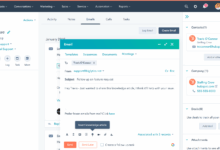

Key Features of Cloud-Based CRM Platforms
- Centralized Customer Data Management
- Real-Time Data Updates
- Customization Options
- Automated Workflows
- Integration Capabilities
Comparison with Traditional On-Premise CRM Systems
- Accessibility: Cloud-based CRM platforms offer remote access from anywhere with an internet connection, while on-premise systems are limited to the office environment.
- Cost: Cloud-based CRM solutions typically have lower upfront costs and are subscription-based, making them more cost-effective for businesses.
- Scalability: Cloud CRM platforms are easily scalable to accommodate business growth, unlike on-premise systems that may require additional hardware.
Benefits of Cloud-Based CRM Platforms for Businesses
- Improved Collaboration: Cloud CRM platforms enable team members to access and update customer data in real-time, fostering better collaboration.
- Enhanced Security: Cloud CRM providers invest heavily in security measures such as encryption, authentication, and access controls to protect customer data.
- Integration Flexibility: Cloud CRM platforms can easily integrate with other business applications such as email marketing tools, accounting software, and e-commerce platforms.
Security Measures in Cloud-Based CRM Platforms
- Encryption of Data in Transit and at Rest
- Role-Based Access Controls
- Regular Security Audits and Updates
- Data Backups and Disaster Recovery Plans
Remote Access and Collaboration in Cloud-Based CRM Platforms
- Real-Time Data Syncing for Remote Team Members
- Task Assignment and Tracking Features
- Virtual Meeting and Communication Tools
Scalability Options in Cloud-Based CRM Platforms
- Flexible Pricing Plans Based on Usage
- Ability to Add or Remove Users Easily
- Customization Options for Growing Businesses
Integration Capabilities with Other Software Applications
- Seamless Integration with Email Marketing Platforms
- Syncing with Accounting Software for Financial Data
- Connection with E-commerce Platforms for Sales Tracking
Salesforce
Salesforce is a leading cloud-based CRM platform that offers a wide range of features to help businesses manage and streamline their customer relationships effectively. With its user-friendly interface and robust functionalities, Salesforce has become a popular choice for organizations of all sizes.
Editions and Pricing Plans
- Salesforce Essentials: Ideal for small businesses, starting at $25 per user per month.
- Salesforce Professional: Suitable for growing businesses, starting at $75 per user per month.
- Salesforce Enterprise: Designed for larger organizations, starting at $150 per user per month.
- Salesforce Unlimited: Offers the most comprehensive features, starting at $300 per user per month.
Customization Options
Salesforce provides extensive customization options to tailor the platform according to the specific needs of different industries. Users can create custom objects, fields, and workflows to align Salesforce with their unique business processes. Additionally, Salesforce offers AppExchange, a marketplace where users can find third-party apps and integrations to enhance the platform’s capabilities further.
Integration with Other Tools
Salesforce seamlessly integrates with a wide range of tools and platforms to streamline operations and enhance productivity. Users can connect Salesforce with popular applications like Microsoft Outlook, Google Apps, and Slack to ensure data consistency across different systems. Furthermore, Salesforce offers robust APIs that allow developers to create custom integrations with other software solutions, enabling a seamless flow of information between different applications.
HubSpot CRM
HubSpot CRM is a popular cloud-based customer relationship management platform known for its user-friendly interface and robust features. It offers a range of functionalities to help businesses manage their contacts, streamline communication, and track performance effectively.
Features and Functionalities
- Contact Management: HubSpot CRM allows users to store and organize all contact information in one place, making it easy to track interactions and communication history.
- Email Integration: Users can seamlessly integrate their email accounts with HubSpot CRM to send personalized emails, track opens, clicks, and responses.
- Reporting Capabilities: The platform provides detailed analytics and reporting tools to help businesses measure the effectiveness of their marketing and sales efforts.
Pricing Plans Comparison
- HubSpot CRM offers a free version with basic features, while its paid plans start at a higher price point compared to some competitors. However, the platform is known for its scalability and flexibility, offering value for money in terms of features and customization options.
Setting Up and Customization Guide
- Create a HubSpot account and log in to the platform.
- Add your contacts and company information to get started.
- Customize your pipelines, deal stages, and properties to align with your business processes.
- Integrate your email account and set up automated workflows for efficient communication.
Integrations and Third-Party Tools
| HubSpot CRM | Competitors |
|---|---|
| Seamless integration with HubSpot Marketing Hub | Varied integrations with marketing automation tools |
| Customizable API for third-party app integration | Limited API support in some platforms |
Metrics and KPIs Tracking
- Lead Conversion Rate: Measure the percentage of leads that convert into customers using HubSpot CRM.
- Customer Acquisition Cost: Track the cost associated with acquiring new customers through marketing and sales efforts.
- Customer Satisfaction Score: Monitor customer feedback and satisfaction levels to improve service quality.
Zoho CRM
Zoho CRM is a cloud-based customer relationship management solution that offers a range of unique selling points that set it apart from other platforms in the market.
Scalability and Flexibility
Zoho CRM stands out for its scalability and flexibility, making it suitable for businesses of all sizes. Whether you are a small startup or a large enterprise, Zoho CRM can be easily customized to meet your specific needs and grow alongside your business.
- Customization options allow businesses to tailor the CRM to their unique processes and workflows.
- Integration with other Zoho applications and third-party tools enhances the platform’s flexibility.
- Scalable pricing plans ensure that businesses can upgrade or downgrade based on their changing requirements.
Automation Capabilities
Zoho CRM offers robust automation capabilities that streamline processes and increase productivity for sales and marketing teams. By automating repetitive tasks and workflows, businesses can focus on building relationships with customers and driving revenue.
- Workflow automation allows for the creation of automated processes based on specific triggers and actions.
- Lead management automation helps businesses track and nurture leads effectively through the sales pipeline.
- Email automation features enable personalized communication at scale, improving engagement with prospects and customers.
Optimizing Zoho CRM
To maximize the benefits of Zoho CRM, businesses can follow these tips to optimize their use of the platform:
- Regularly update and clean up customer data to ensure accuracy and relevance.
- Utilize reporting and analytics tools to gain insights into customer behavior and trends.
- Train team members on best practices for using Zoho CRM to ensure maximum efficiency and effectiveness.
- Integrate Zoho CRM with other tools and applications to create a seamless workflow and enhance productivity.
Microsoft Dynamics 365
Microsoft Dynamics 365 is a versatile cloud-based CRM platform offered by Microsoft, designed to help businesses streamline their sales, marketing, and customer service operations in one integrated system.
Key Features of Microsoft Dynamics 365
- Unified Interface: Provides a consistent user experience across different devices and platforms.
- AI-driven Insights: Utilizes artificial intelligence to analyze customer data and provide actionable insights.
- Integration Capabilities: Seamlessly integrates with other Microsoft products such as Office 365, Outlook, and Teams.
- Customizable Workflows: Allows businesses to tailor processes to meet specific needs using the Power Platform.
- Scalability: Scales with the growth of the business, offering flexibility to adapt to changing requirements.
Integration Options with Microsoft Dynamics 365
Microsoft Dynamics 365 offers extensive integration options with various Microsoft products, enabling seamless connectivity and data sharing. Some integrations include:
- Integration with Office 365 for enhanced productivity and collaboration.
- Integration with Outlook for email communication and scheduling.
- Integration with Teams for efficient team collaboration and communication.
Pricing Models of Microsoft Dynamics 365
Microsoft Dynamics 365 offers a range of pricing models based on the specific needs of businesses, including subscription-based plans and customizable options. The pricing structure is flexible, allowing businesses to choose features and services according to their requirements and budget.
Security Measures of Microsoft Dynamics 365
Microsoft Dynamics 365 employs robust security measures to protect customer data, including data encryption, role-based access control, and compliance with industry standards such as GDPR. Regular security updates and monitoring ensure the safety and integrity of sensitive information.
Customization with Power Platform
The Power Platform within Microsoft Dynamics 365 enables businesses to customize the CRM platform to suit their unique requirements. By leveraging tools like Power Apps, Power Automate, and Power BI, organizations can create tailored solutions, automate processes, and gain valuable insights to enhance productivity and efficiency.
Successful Implementations of Microsoft Dynamics 365
Numerous industries and businesses have successfully implemented Microsoft Dynamics 365, experiencing benefits such as improved customer engagement, streamlined operations, and increased revenue. Examples include:
- Manufacturing companies optimizing production processes and supply chain management.
- Financial institutions enhancing client relationships and compliance measures.
- Retail businesses improving inventory management and customer loyalty programs.
Data Migration to Microsoft Dynamics 365
Migrating data from an existing CRM system to Microsoft Dynamics 365 involves careful planning, data mapping, and testing to ensure a smooth transition. Best practices include:
- Performing a data audit to identify and clean up redundant or outdated information.
- Mapping data fields accurately to maintain data integrity during the migration process.
- Testing the migrated data thoroughly to verify accuracy and consistency before going live.
Pipedrive
Pipedrive is a cloud-based CRM platform that caters to small and medium-sized businesses, particularly those in the sales industry, looking to streamline their sales processes and improve efficiency.
Target Market and Industry Focus
Pipedrive is designed for businesses in various industries, such as real estate, advertising, consulting, and software development, that rely heavily on sales-driven operations. Its target market includes SMBs that require a user-friendly CRM solution to manage leads, deals, and customer relationships effectively.
Sales Process Streamlining
- Pipedrive offers a visual sales pipeline that allows users to track deals through different stages, providing a clear overview of the sales process.
- Automation features in Pipedrive help streamline repetitive tasks, such as sending follow-up emails or setting reminders for sales calls.
- Integration with other tools like email marketing platforms and communication apps enhances communication and collaboration within the sales team.
Reporting and Analytics Capabilities
- Pipedrive provides customizable reports and dashboards that offer insights into sales performance, deal progress, and team productivity.
- Users can track key metrics, such as conversion rates, deal value, and sales activities, to identify trends and areas for improvement.
- Advanced analytics tools in Pipedrive enable users to forecast sales, set goals, and make data-driven decisions to drive revenue growth.
Effective Lead and Deal Management Tips
- Regularly update lead and deal information to ensure accurate tracking and forecasting.
- Use tags and filters to categorize leads and deals based on priority, stage, or source for better organization.
- Utilize Pipedrive’s communication features to follow up with leads promptly and nurture relationships effectively.
Oracle CX
Oracle CX, part of Oracle’s Customer Experience Cloud Suite, offers a comprehensive set of modules for CRM to help businesses manage customer relationships effectively. The various modules under Oracle CX Cloud Suite include Sales, Marketing, Service, Commerce, and Data Management.
Enterprise-level Features Comparison
- Oracle CX offers robust enterprise-level features such as advanced analytics, AI-driven insights, and scalability, making it suitable for large organizations with complex CRM needs.
- Compared to other cloud-based CRM platforms, Oracle CX stands out for its integration capabilities with Oracle’s extensive suite of business applications, providing a seamless end-to-end solution.
- Oracle CX also offers industry-specific solutions, catering to the unique requirements of different sectors, giving it an edge in delivering tailored CRM experiences.
AI-driven Capabilities for Predictive Analytics
Oracle CX leverages AI to provide predictive analytics that help businesses anticipate customer behavior, identify trends, and optimize marketing strategies. By analyzing data from various touchpoints, Oracle CX enables businesses to make data-driven decisions and enhance customer engagement.
Personalized Customer Experiences
Oracle CX enables personalized customer experiences through data-driven strategies by capturing and analyzing customer data to create tailored interactions. By leveraging customer insights and preferences, businesses can deliver targeted campaigns, personalized recommendations, and proactive customer service.
Setting up Customer Service Workflow
- Define customer service processes and workflows based on your organization’s requirements.
- Configure service queues, routing rules, and escalation paths to ensure efficient handling of customer inquiries.
- Integrate communication channels such as email, chat, and phone to provide omnichannel support.
- Implement automation tools for ticket management, case resolution, and customer feedback analysis.
Integration Options with Other Business Applications
Oracle CX offers a range of integration options to connect with other business applications and data sources, including API integrations, pre-built connectors, and middleware solutions. Businesses can integrate Oracle CX with ERP systems, marketing automation platforms, e-commerce websites, and social media channels to streamline operations and enhance data visibility.
Case Study: Improved Customer Engagement
Oracle CX successfully improved customer engagement and retention for a leading retail brand by implementing personalized marketing campaigns based on customer behavior analysis. By leveraging Oracle CX’s AI capabilities, the brand achieved a 20% increase in customer satisfaction and a 15% boost in repeat purchases.
Freshworks CRM
Freshworks CRM is a cloud-based customer relationship management platform that aims to streamline sales processes and improve customer interactions. With its user-friendly interface and robust features, Freshworks CRM has gained popularity among businesses of all sizes.
Ease of Implementation and User Adoption
Freshworks CRM offers a simple and intuitive setup process, making it easy for businesses to implement the platform without extensive training or technical knowledge. The user-friendly interface allows sales teams to quickly adapt to the system, increasing user adoption rates and overall productivity.
Pricing Structure
When comparing the pricing structure of Freshworks CRM with other cloud-based solutions, Freshworks stands out for its competitive pricing plans. The platform offers flexible pricing options based on the number of users and features required, making it a cost-effective choice for businesses looking to optimize their sales processes.
Customer Testimonials
Customer testimonials highlight the benefits of using Freshworks CRM, emphasizing its ability to streamline sales workflows, improve customer engagement, and increase overall efficiency. Businesses praise the platform for its user-friendly interface, customizable features, and excellent customer support.
Customer Support Options
Freshworks CRM provides businesses with a range of customer support options to ensure a seamless experience. From online resources and tutorials to email and phone support, businesses using Freshworks CRM can access the help they need to maximize the platform’s potential and address any issues that may arise.
Customization and Integration Capabilities
Customization and integration capabilities are crucial aspects of cloud-based CRM platforms that allow businesses to tailor the system to their specific needs and seamlessly integrate with other tools for enhanced functionalities.
Customization Options
Cloud-based CRM platforms offer a range of customization options to adapt the system to the unique requirements of different businesses. Some common customization features include:
- Custom fields and modules to capture specific data points relevant to the business.
- Workflow automation to streamline processes and ensure consistency in operations.
- Personalized dashboards and reports for tracking key metrics and performance indicators.
Integration Possibilities
Integrating cloud-based CRM platforms with other business tools is essential for maximizing efficiency and productivity. Some popular integrations include:
- Integration with email marketing platforms like MailChimp or Constant Contact for seamless communication with customers.
- Integration with accounting software such as QuickBooks or Xero for accurate financial data management.
- Integration with customer support tools like Zendesk or Freshdesk for improved customer service and issue resolution.
Importance of Seamless Integration
Seamless integration between CRM platforms and other business tools is crucial for ensuring a unified data ecosystem and a seamless workflow. It allows for a holistic view of customer interactions and streamlines processes for better decision-making.
Best Practices for Customization and Integration
When customizing and integrating cloud-based CRM platforms, it is important to follow best practices to ensure optimal performance and usability:
- Define clear objectives and requirements before customizing the CRM system to align with business goals.
- Regularly review and update customization settings to accommodate evolving business needs and changes in the industry.
- Test integrations thoroughly to ensure data accuracy and seamless functionality across different tools.
- Provide adequate training and support for users to leverage the full potential of the customized CRM platform and integrated tools.
Mobile Accessibility and User Experience
Mobile accessibility plays a crucial role in cloud-based CRM platforms, especially for remote workforce. With the increasing trend of employees working from various locations, having the ability to access CRM systems on mobile devices ensures seamless communication and productivity.
Importance of Mobile Accessibility
- Remote Work Optimization: Mobile accessibility allows employees to access CRM data and tools from anywhere, enhancing collaboration and efficiency.
- Real-time Updates: Users can receive real-time updates and notifications on their mobile devices, keeping them informed and responsive at all times.
- Enhanced Customer Engagement: Mobile CRM features enable quick responses to customer inquiries, leading to improved customer satisfaction and loyalty.
Examples of Mobile Features for User Experience
- Mobile Dashboard: Providing a user-friendly dashboard layout for easy access to key CRM information on smartphones and tablets.
- Offline Access: Allowing users to work on CRM tasks even without an internet connection, syncing data once reconnected.
- Mobile Notifications: Sending push notifications for important updates, reminders, or tasks to ensure timely actions.
Challenges and Benefits of Using CRM on Mobile Devices
- Challenges:
- Screen Size Limitations: Limited screen space on mobile devices may impact the visibility and usability of CRM features.
- Data Security Concerns: Ensuring data security and privacy on mobile devices can be a challenge, especially when accessing sensitive information.
- Benefits:
- Increased Flexibility: Employees can work on CRM tasks on the go, leading to improved responsiveness and productivity.
- Improved Collaboration: Mobile accessibility fosters better collaboration among team members, regardless of their physical location.
Tips for Optimizing Mobile Usage
- Customize Settings: Tailor the CRM application settings to suit your mobile workflow and preferences for a smoother user experience.
- Regular Updates: Keep the CRM app updated to access new features, bug fixes, and security enhancements for optimal performance.
- Training and Support: Provide necessary training and support to users for effective utilization of CRM on mobile devices.
Data Security and Compliance
In the realm of cloud-based CRM platforms, data security and compliance play a crucial role in maintaining the integrity and confidentiality of sensitive information. Encryption, access control mechanisms, compliance with data protection regulations, security audits, and employee training are key components in ensuring a secure CRM environment.
Role of Encryption
Encryption serves as a vital tool in securing sensitive data within cloud-based CRM platforms. By converting data into a coded format that can only be accessed with the appropriate decryption key, encryption helps protect information from unauthorized access or breaches.
Access Control Mechanisms
Leading cloud CRM providers implement robust access control mechanisms to restrict unauthorized access to sensitive data. This includes user authentication processes, role-based access control, and data encryption techniques to ensure that only authorized users can view or modify specific information.
Compliance with Data Protection Regulations
Cloud-based CRM platforms adhere to various data protection regulations such as GDPR (General Data Protection Regulation) or HIPAA (Health Insurance Portability and Accountability Act) to safeguard customer data and ensure privacy. Compliance with these regulations involves implementing strict data handling protocols and security measures to prevent data breaches.
Security Audits
Regular security audits are conducted by organizations to identify and mitigate potential vulnerabilities in CRM systems. These audits involve assessing the security infrastructure, analyzing existing protocols, and implementing necessary updates to enhance data protection and prevent security threats.
Employee Training on Data Security
Training employees on data security best practices is essential when using cloud-based CRM tools. By educating staff on the importance of data security, teaching them how to identify and report suspicious activities, and providing guidelines on handling sensitive information, organizations can strengthen their overall security posture and reduce the risk of data breaches.
Training and Support
Training and support are crucial aspects of successfully implementing and utilizing cloud-based CRM platforms. Here, we will delve into the various training resources available, customer support services provided, tips for effective employee training, the role of ongoing support, and personalized training modules.
Training Resources and Customer Support Services
- Training Resources: Most cloud-based CRM platforms offer online training resources such as webinars, video tutorials, documentation, and knowledge bases to help users onboard and master the platform.
- Customer Support Services: CRM platform providers typically offer customer support through various channels like email, phone, live chat, and dedicated support portals to assist users with any issues or queries.
Effective Employee Training Tips
- Start with the Basics: Begin training with the fundamental features and functionalities of the CRM platform before moving on to more advanced topics.
- Hands-On Practice: Encourage employees to actively use the CRM platform during training sessions to enhance learning and retention.
- Role-Based Training: Tailor training modules based on the specific roles and responsibilities of employees within the organization to ensure relevance and effectiveness.
Ongoing Support and Training for Maximized ROI
- Continuous Learning: Regular refresher training sessions are essential to keep employees updated on new features, best practices, and industry trends to maximize the ROI of CRM investments.
- Customized Support: Personalized support and training based on individual user needs can significantly impact user adoption rates and overall satisfaction with the CRM platform.
Setting Up a Knowledge Base for Self-Service Support
- Create a Centralized Hub: Establish a comprehensive knowledge base with FAQs, troubleshooting guides, and video tutorials to empower users to find solutions independently.
- Organize Information: Categorize and tag content in the knowledge base for easy navigation and quick access to relevant information.
Effectiveness of Interactive Training and Gamification
- Interactive Training: Interactive training sessions, such as simulations, quizzes, and real-time scenarios, can enhance user engagement and retention compared to traditional training methods.
- Gamification: Incorporating gamified elements like badges, leaderboards, and rewards into training programs can motivate users to actively participate and learn while having fun.
Benefits of Regular Refresher Training Sessions
- Stay Updated: Regular refresher training sessions help long-term CRM platform users stay informed about new features, updates, and best practices to ensure continued efficiency and productivity.
- Enhanced User Experience: By keeping users engaged and knowledgeable, refresher training sessions contribute to a positive user experience and overall satisfaction with the CRM platform.
Industry-Specific Use Cases
Cloud-based CRM platforms offer tailored solutions for various industries to meet their specific needs and challenges. Let’s explore how different sectors utilize CRM platforms for specific purposes and the customization options available.
Healthcare Industry
- Healthcare providers use CRM platforms to manage patient relationships, improve communication, and personalize patient care.
- Challenges include data security and compliance with healthcare regulations.
- Opportunities include streamlining patient care, enhancing patient satisfaction, and improving operational efficiency.
Retail Industry
- Retailers utilize CRM platforms to track customer preferences, manage loyalty programs, and analyze purchase patterns.
- Challenges involve integrating CRM with other retail systems and ensuring data accuracy.
- Success stories include increased customer retention, targeted marketing campaigns, and improved sales performance.
Finance Industry
- Financial institutions leverage CRM platforms for client relationship management, lead generation, and regulatory compliance.
- Customization options include integrating CRM with financial planning tools and risk management systems.
- Key features for the finance industry include secure data encryption, audit trails, and compliance reporting.
Manufacturing Industry
- Manufacturers use CRM platforms for sales forecasting, supply chain management, and customer support.
- Customization options allow for integration with ERP systems, production planning tools, and IoT devices.
- Optimizing CRM for manufacturing involves real-time inventory tracking, order management, and after-sales service.
Real Estate Industry
- Real estate agents rely on CRM platforms for lead management, property listings, and client communication.
- Features like property search filters, automated email campaigns, and virtual tours cater to the industry’s needs.
- Success in real estate CRM includes faster deal closures, accurate property valuations, and improved customer relationships.
Future Trends and Innovations
The future of cloud-based CRM platforms is exciting, with several trends and innovations expected to shape the industry in the coming years. Let’s delve into some key areas of development and advancements.
AI-Driven Automation and Voice-Activated Assistants
AI-driven automation is set to revolutionize the way businesses interact with their customers. With the power of artificial intelligence, CRM platforms can analyze data, predict trends, and automate routine tasks to enhance efficiency and personalization. Voice-activated assistants, like chatbots, will also play a significant role in improving customer experience and streamlining communication processes.
Impact of Blockchain and IoT
The integration of blockchain technology and Internet of Things (IoT) devices will bring new levels of security and data management to CRM solutions. Blockchain can ensure data integrity and transparency, while IoT devices can provide real-time insights and connectivity for better customer engagement. These technologies will pave the way for more secure and interconnected CRM platforms.
Innovations in User Interfaces and Customer Experience
The future of cloud-based CRM platforms will see a focus on user interfaces that are intuitive, accessible, and customizable. Innovations in design and user experience will prioritize simplicity and personalization, making it easier for users to navigate and leverage the full potential of CRM tools. Enhanced customer experience features will also be a key area of development, aiming to create seamless interactions and build stronger relationships with clients.
Challenges and Opportunities in Adoption
While the adoption of upcoming trends in cloud-based CRM platforms presents numerous opportunities for businesses, it also comes with challenges. Organizations will need to invest in training and resources to leverage new technologies effectively. They must also address concerns around data privacy, security, and compliance as they embrace AI, blockchain, IoT, and other innovations. Finding the right balance between innovation and practicality will be crucial for businesses looking to stay ahead in the competitive CRM landscape.
Final Conclusion
In conclusion, Top Cloud-Based CRM Platforms provide a plethora of benefits for businesses looking to enhance their customer relationships and streamline operations. By choosing the right platform, companies can boost productivity, improve customer satisfaction, and drive growth in today’s competitive market.
